Health
HIV Prevention Jab Is Not a Vaccine, Experts Warn Recipients

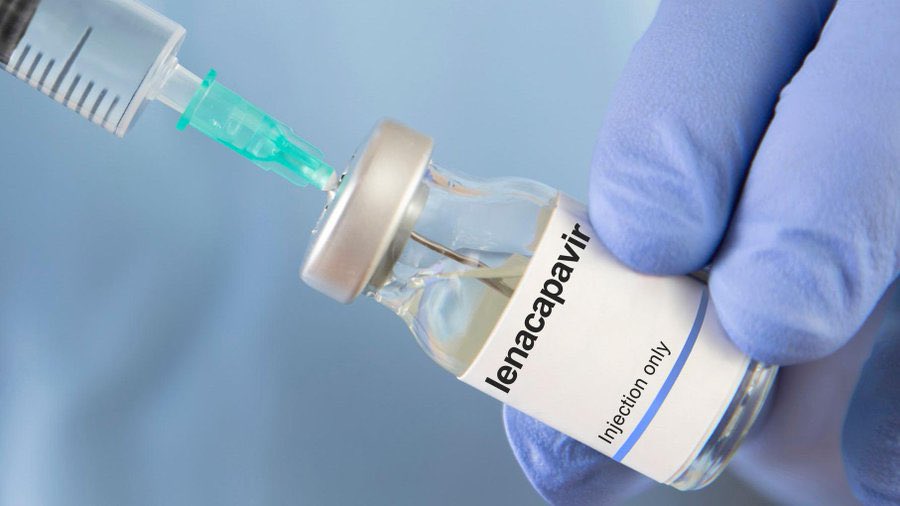
Health experts have cautioned Ugandans receiving the twice-yearly HIV prevention drug Lenacapavir against treating the injection as a vaccine or abandoning other proven prevention measures.
The warning comes as the first Ugandans who received the long-acting injection prepare to return for their second dose in October, amid growing nationwide demand for the drug.
Dr Vincent Bagambe, the Policy Planning and Strategic Manager at the Uganda AIDS Commission, said recipients must return for subsequent injections on the dates prescribed by health workers to maintain sufficient drug levels in their blood.
He warned that failure to observe the six-month dosing schedule could reduce protection and expose users to a heightened risk of HIV infection.
Experts are consequently encouraging recipients to use Lenacapavir as part of a combination prevention approach that may include condoms, regular HIV testing, knowledge of a partner’s HIV status and other available pre-exposure or post-exposure prophylaxis options.
“The game-changer injection is not a vaccine,” health officials stressed, warning that its introduction should not create a false sense of complete or permanent protection.
Lenacapavir is a long-acting antiretroviral medicine used as pre-exposure prophylaxis, commonly known as PrEP. Unlike a vaccine, it does not train the immune system to develop lasting immunity against HIV. Its protection depends on the medicine remaining at effective levels in the body and recipients following the prescribed dosing schedule.
The World Health Organisation recommends injectable Lenacapavir twice a year as an additional PrEP option for people at risk of acquiring HIV, describing it as a highly effective alternative to daily oral pills and other shorter-acting prevention methods.

Warning Over Missed Doses
The medicine’s prescribing information warns that people must adhere to the six-month injection schedule because missed or delayed doses could result in HIV infection and the development of resistance to the drug.
It also recommends HIV testing before treatment begins and before every subsequent injection. Lenacapavir should only be used for prevention by people who have been confirmed to be HIV-negative.
Health authorities are particularly concerned that people could abandon condoms after receiving the injection, yet Lenacapavir does not protect users against other sexually transmitted infections.
The drug is therefore recommended as part of a wider prevention strategy that includes correct and consistent condom use, routine testing for HIV and other sexually transmitted infections, and knowledge of partners’ HIV status.
Bagambe said Uganda hopes the introduction of the injection, alongside existing prevention methods, will help reduce the country’s estimated 37,000 annual new HIV infections to fewer than 10,000 by 2030.
He, however, noted that achieving the target will largely depend on recipients following the recommended schedule and maintaining the drug concentrations required for protection.
Demand Surpasses Supplies
Uganda launched Lenacapavir in April after receiving an initial consignment of 19,200 doses, which were distributed to 103 health facilities.
The rollout initially prioritised people considered to be at the highest risk of acquiring HIV, including sex workers, fisherfolk, people in HIV-discordant relationships and some pregnant women assessed to be at increased risk.
However, demand quickly surpassed the available supplies, with health officials reporting that some people outside the priority categories had also accessed the medicine.
Dr Herbert Kadama, the Ministry of Health official coordinating PrEP services, said about 60 per cent of the facilities that received the initial supplies had already been given additional doses after their stocks ran out faster than anticipated.
Uganda is also expecting another donation of 19,200 doses, although concerns remain about maintaining supplies for recipients requiring their scheduled follow-up injections.
The Ministry of Health has advised people who cannot immediately access Lenacapavir to continue using other scientifically approved prevention options, including condoms, daily oral PrEP and post-exposure prophylaxis.
Experts maintain that while the twice-yearly injection could significantly strengthen Uganda’s HIV response, its effectiveness will depend on proper screening, regular testing, uninterrupted supplies and strict adherence to the injection schedule.