News
HAILE SELASSIE’S DREAM LIVES ON! Ethiopia Marks Africa Day With Powerful Call to Action & Unity

The Embassy of Ethiopia on Monday evening hosted a commemorative reception at the ambassador’s residence in Kampala to mark Africa Day 2026, with a strong message of Pan-African unity, self-reliance and sustainable development echoing throughout the gathering.
Addressing diplomats, academics, policy advocates and invited guests, Ethiopia’s Ambassador to Uganda, H.E. Etsegenet Bezabih Yimenu, said the annual celebration remains a powerful reminder of Africa’s shared history, liberation struggle and collective future, even as the region faces emerging public health concerns.
“This evening, May 25, 2026, we stand together to celebrate Africa Day. We mark exactly 63 years since our founding fathers gathered in 1963 to establish the Organization of African Unity,” Ambassador Etsegenet said.

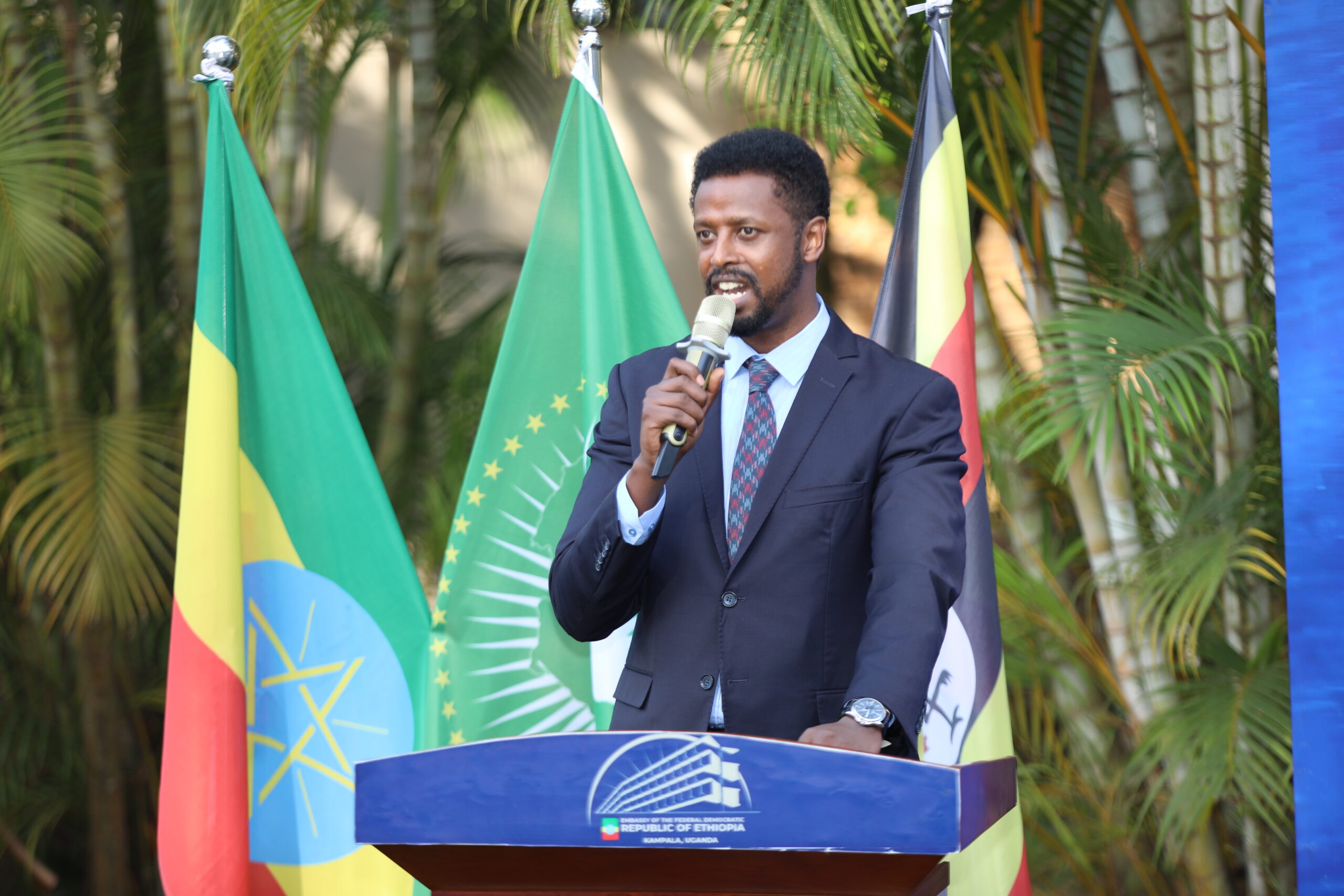
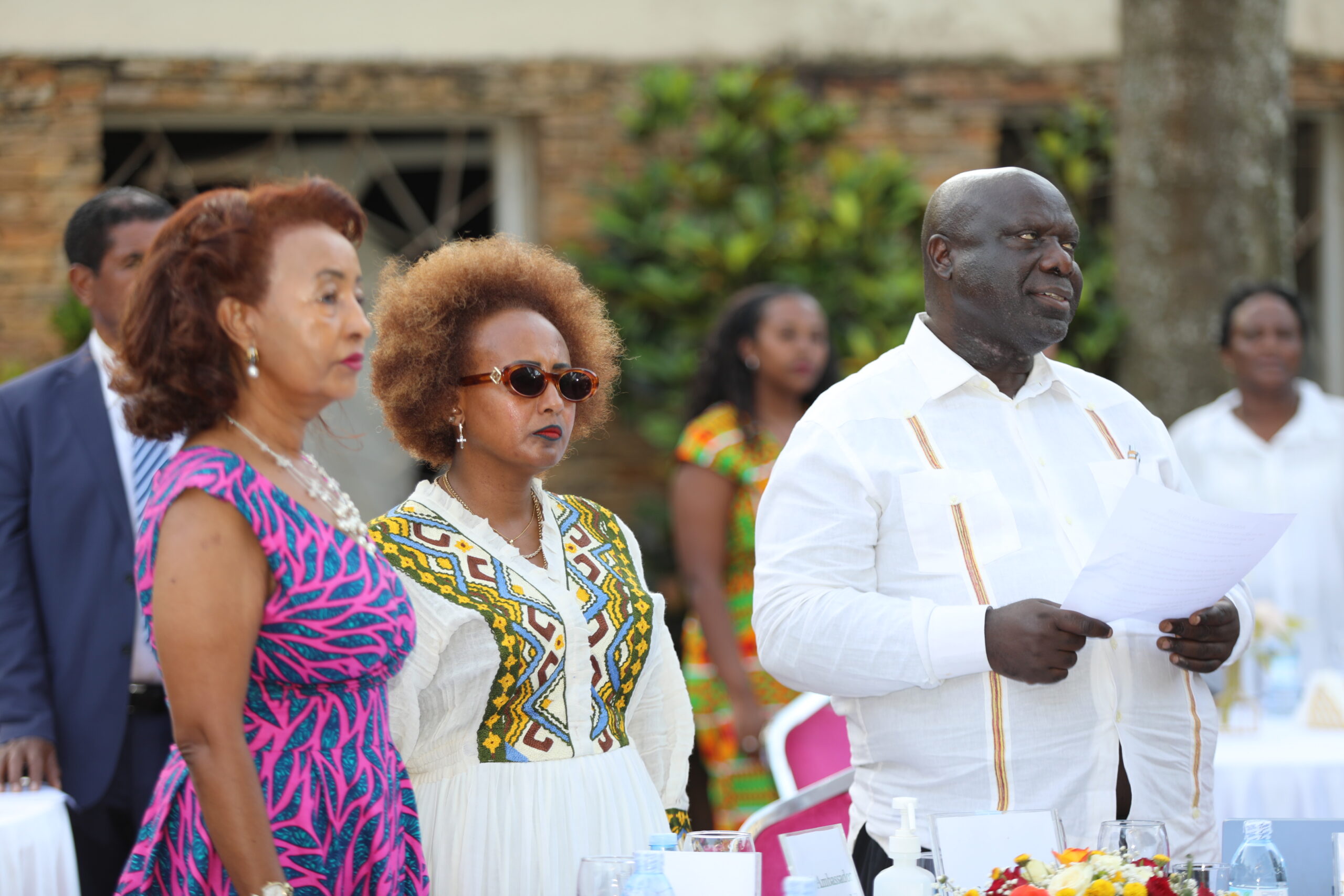
Mr Robe Admassu, Head of Political Affairs at the Embassy of Ethiopia in Kampala
The ambassador noted that despite the recent Ebola-related concerns in Uganda, the embassy felt it was important to proceed with the commemoration while observing necessary health precautions.
“We believe this historic milestone merits a meaningful and responsible celebration rather than a quiet postponement,” she told guests gathered at the residence.
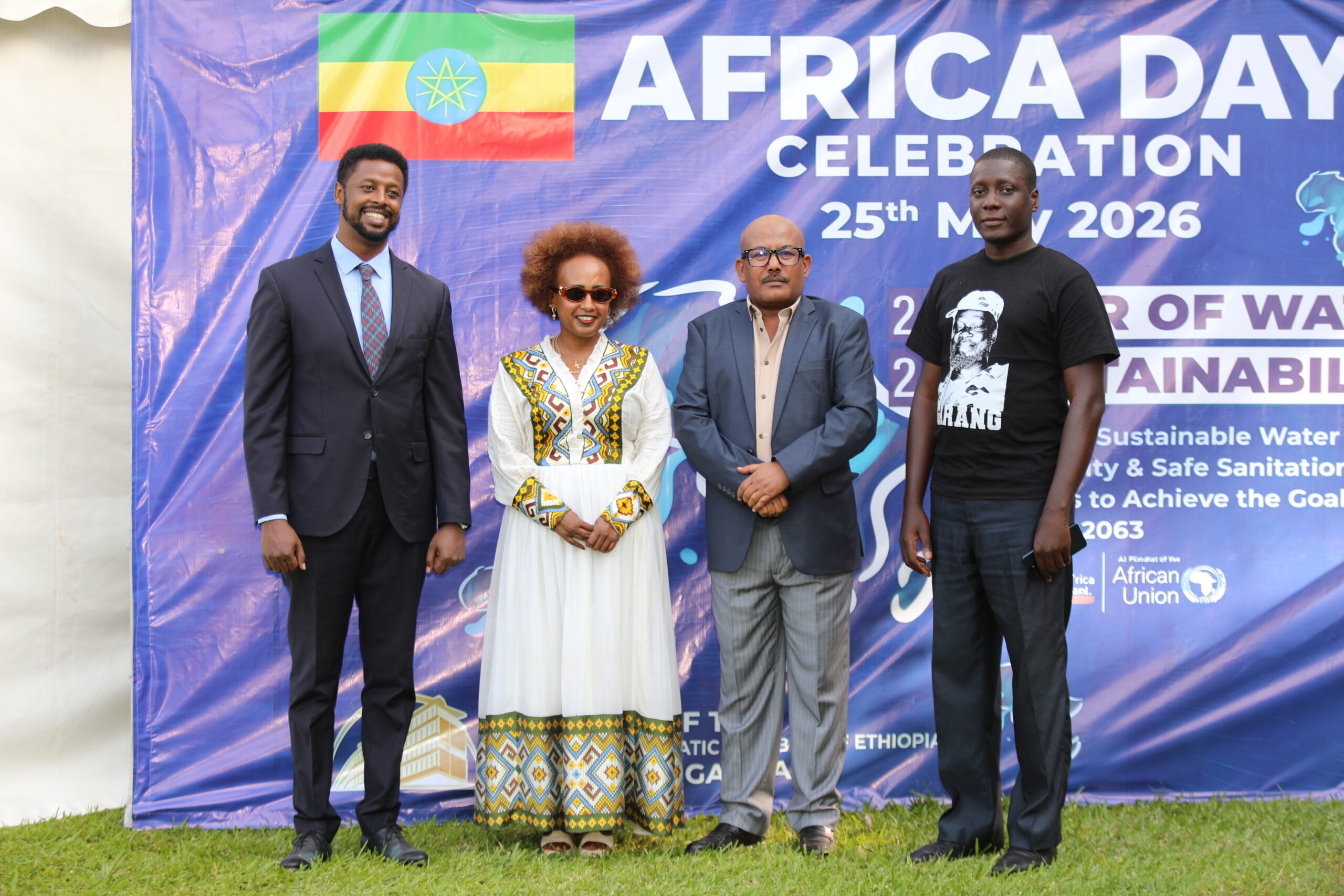
Honouring Africa’s Founding Fathers
A key part of the evening focused on reflecting on the vision of Africa’s liberation pioneers whose political imagination gave birth to the Organization of African Unity (OAU), the predecessor of today’s African Union.
Ambassador Etsegenet paid tribute to historic leaders including Haile Selassie, Kwame Nkrumah and Jomo Kenyatta, saying modern Africa continues to stand on the foundation they built.
“We stand on the shoulders of our giants like Emperor Haile Selassie, Kwame Nkrumah and Jomo Kenyatta. Our fathers dreamed of a free, united and self-reliant Africa,” she said.


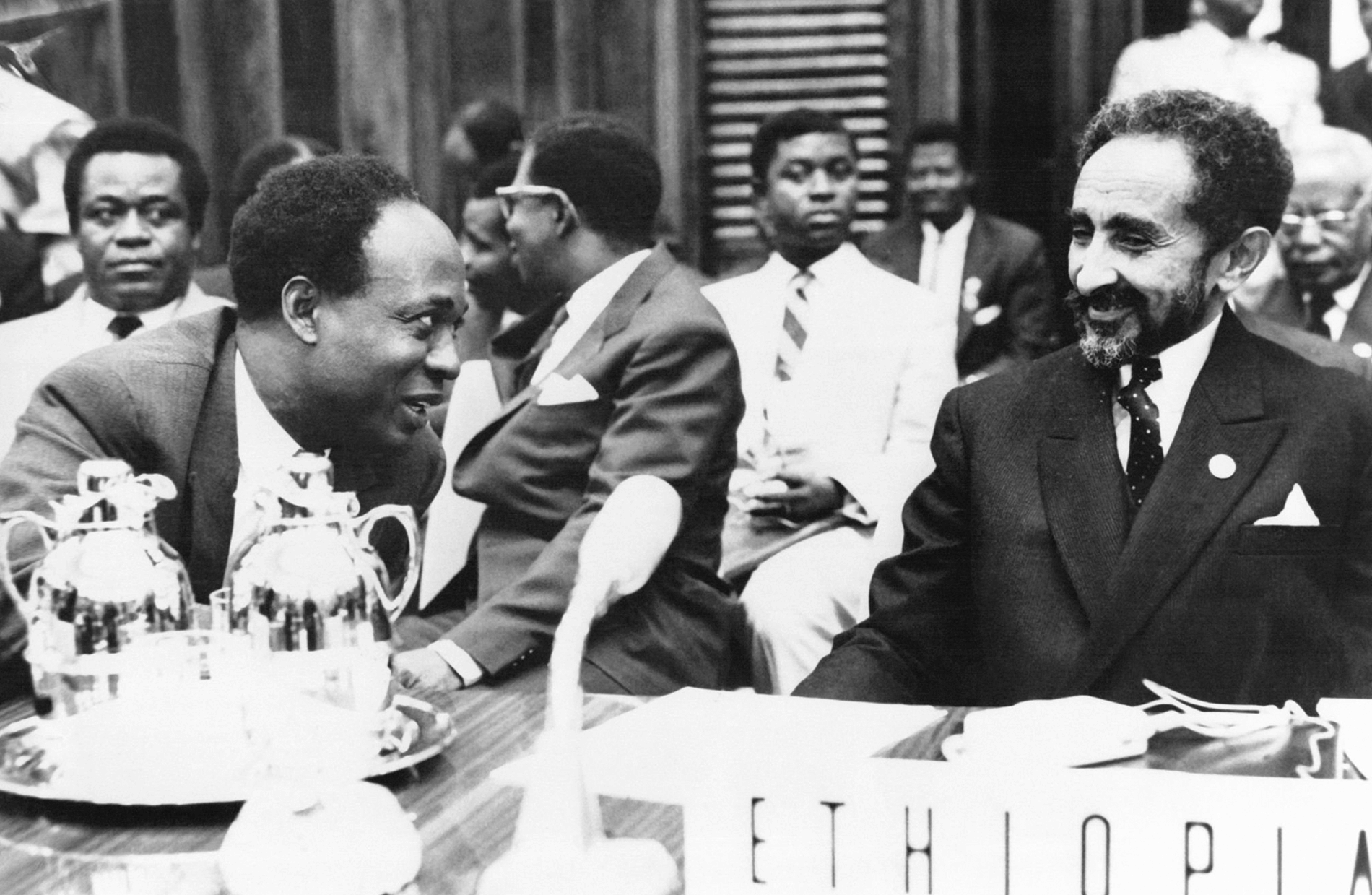
Emperor Haile Selassie (R) and Kwame Nkrumah during the inception of the OAU, now AU
Haile Selassie’s historic role in Africa’s unity
For Ethiopia, the celebration carries particularly deep historical significance.
In May 1963, Emperor Haile Selassie welcomed more than 30 African heads of state to Addis Ababa for what became one of the most consequential political gatherings in modern African history. The summit culminated in the founding of the Organization of African Unity, formally launched on May 25, 1963.
Haile Selassie played a central diplomatic role in bringing together competing ideological blocs within Africa at the time, particularly the Casablanca Group, which pushed for rapid political union, and the Monrovia Group, which favored gradual integration and respect for state sovereignty. His leadership helped bridge divisions and secure consensus for the creation of a continental body dedicated to decolonization, unity and cooperation.
His famous appeal at the opening of the Addis Ababa summit remains one of Pan-Africanism’s defining speeches, urging African leaders to rise above borders inherited from colonialism and build a common destiny.
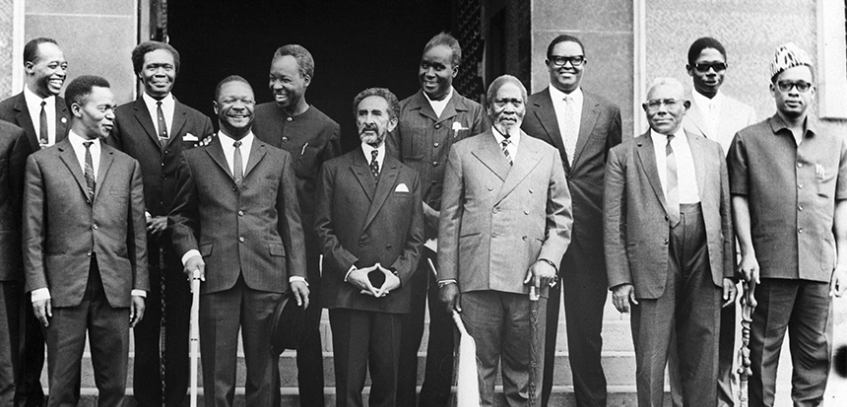

More than six decades later, Addis Ababa remains home to the headquarters of the African Union, a lasting symbol of Ethiopia’s historic contribution to African diplomacy and integration.
Ambassador Etsegenet emphasized that this legacy continues to shape Ethiopia’s identity and role on the continent.
“For every Ethiopian, this day carries profound weight as Ethiopia is the cradle of African independence and a proud seat of the African Union. Our commitment to Pan-Africanism remains unshakable,” she said.
Water and sanitation at centre of Africa Day 2026 theme
This year’s Africa Day is being observed under the African Union theme: “Assuring Sustainable Water Availability and Sanitation Systems to Achieve the Goals of Agenda 2063.”
The ambassador described water security as central to Africa’s economic transformation and dignity.


The Grand Ethiopian Renaissance Dam (GERD) is Africa’s largest hydroelectric power project, constructed on the Blue Nile River
“Water is not just a basic human right. It is the source of our industrialization, food security, health and economic dignity. We cannot achieve the Africa we want if our rivers are dry and our citizens lack clean water,” she said.
She pointed to Ethiopia’s recent investments in clean water access and renewable energy infrastructure as practical examples of Africa-led development.
Particular emphasis was placed on the Grand Ethiopian Renaissance Dam, which she described as a symbol of African resilience and self-financed transformation.
“The Grand Ethiopian Renaissance Dam is a triumph of local engineering, financed entirely by the sweat and resources of the Ethiopian people. It stands as a monument of African self-reliance,” she said.
According to the ambassador, the GERD demonstrates how African nations can harness their own resources to solve infrastructure challenges while also supporting regional cooperation through renewable electricity generation.
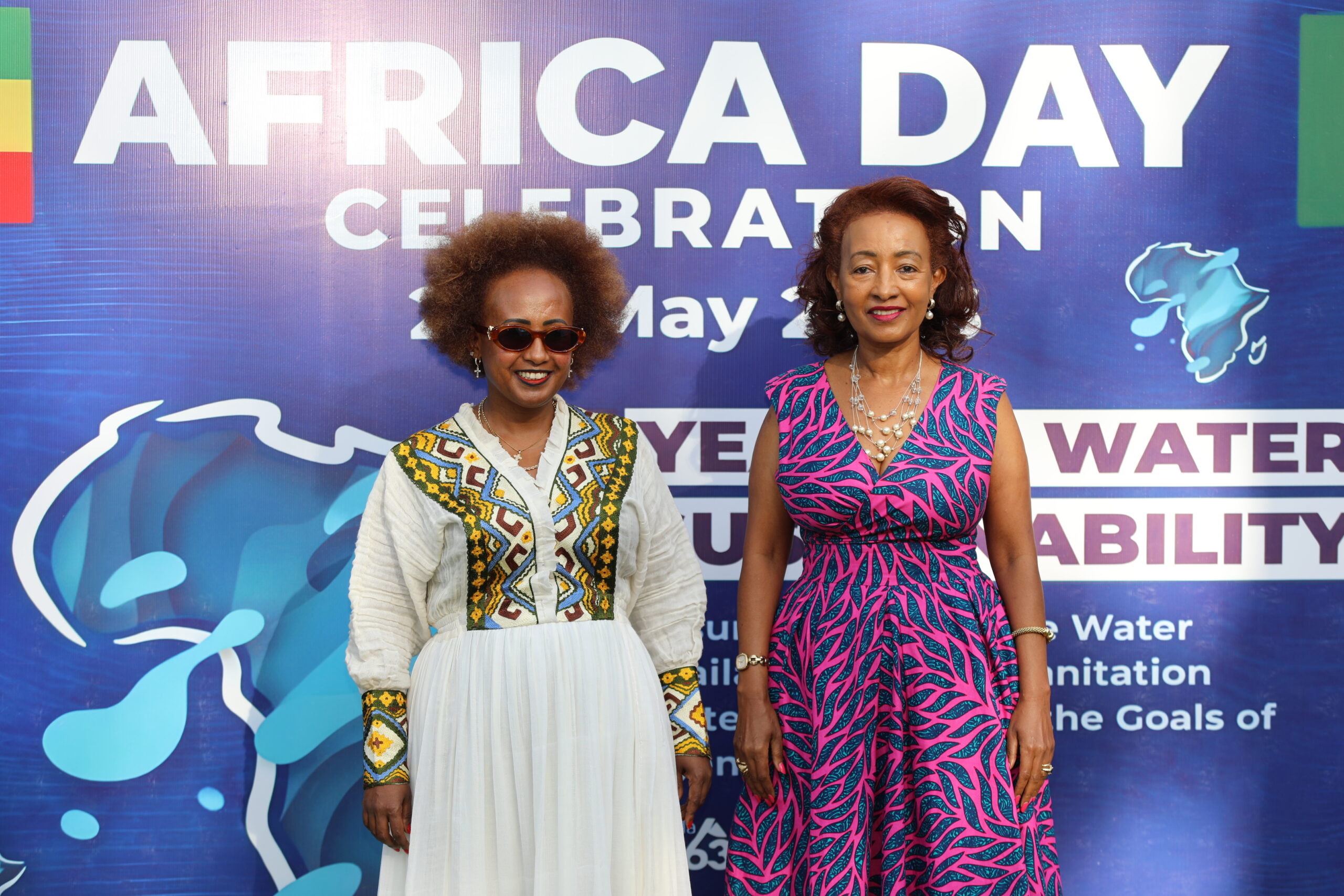
H.E. Etsegenet Bezabih Yimenu with Ms Yogi Birigwa
“We are turning water into clean, renewable electricity to power millions of homes and industries, not just in Ethiopia but across our neighbouring borders. The dam proves that water can be a catalyst for regional integration and cooperation.”
Dialogue on Africa’s future
The evening also featured a panel discussion around sustainable water systems and Agenda 2063, bringing together leading voices from academia, diplomacy and youth leadership.
Among those recognized were Professor Emmanuel Kasimbazi of Makerere University, Inside Diplomacy Executive Director Ogik Carlos, and public policy advocate Patience Naamanya.
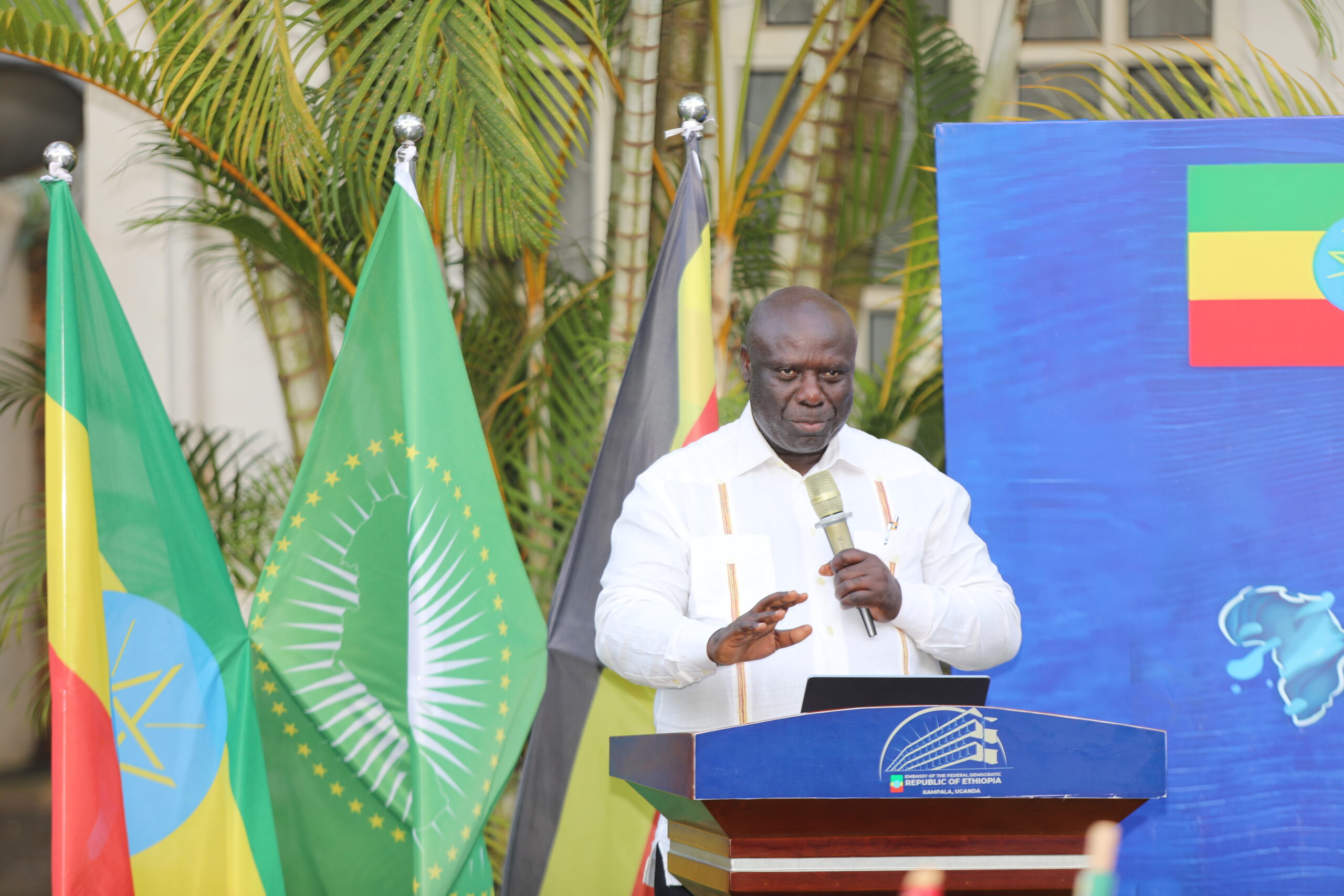
Makerere University’s Professor Emmanuel Kasimbazi
Ambassador Etsegenet thanked the panelists for contributing to what she described as a necessary conversation on the continent’s development priorities.
“Your contributions are deeply appreciated,” she told the speakers.
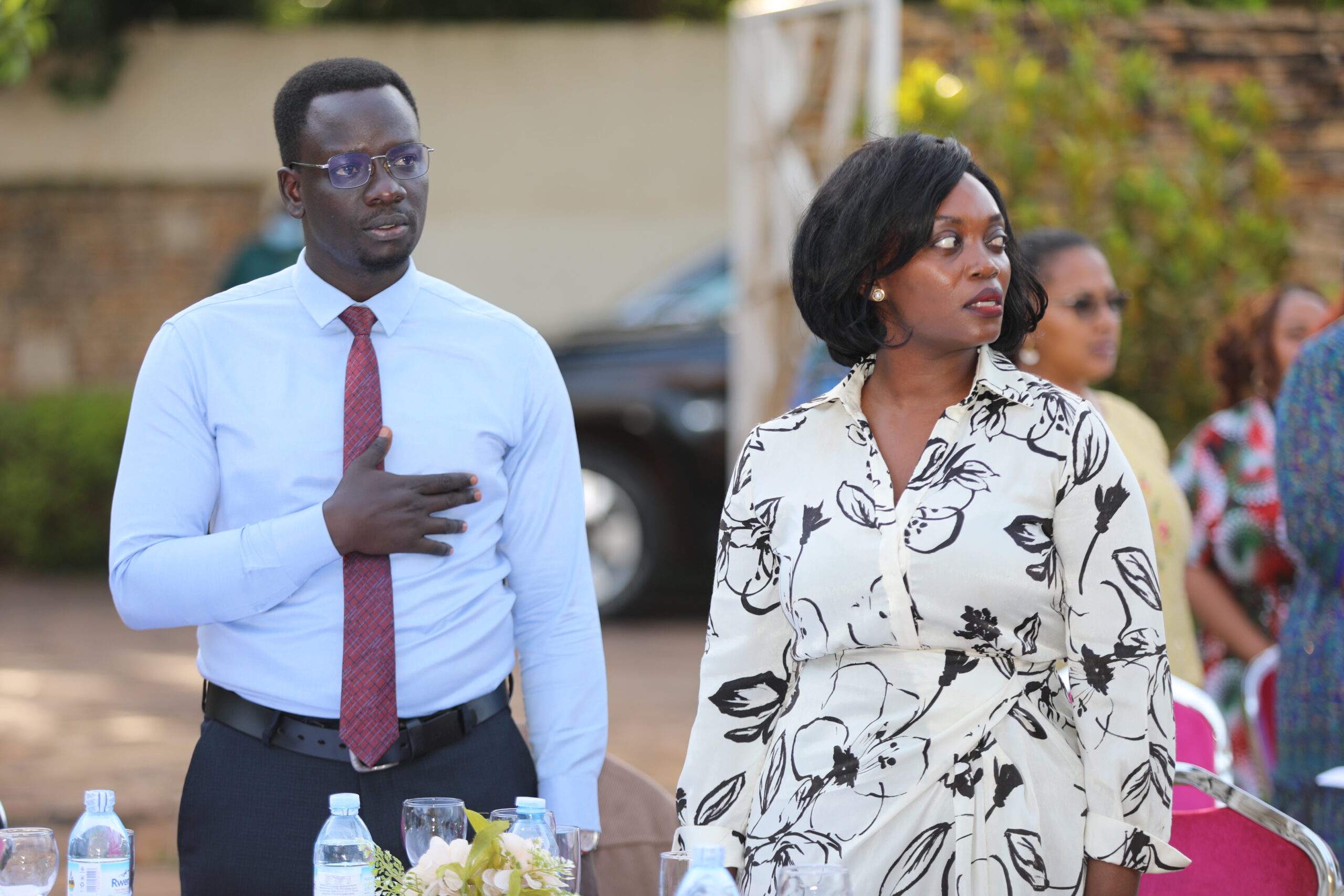
Mr Ogik Carlos and Ms Patience Naamanya.
Looking ahead
Closing the event, the ambassador called on Africans to carry forward the determination of the continent’s founding leaders while focusing on protecting natural resources, expanding economic cooperation and delivering on the vision of Agenda 2063.
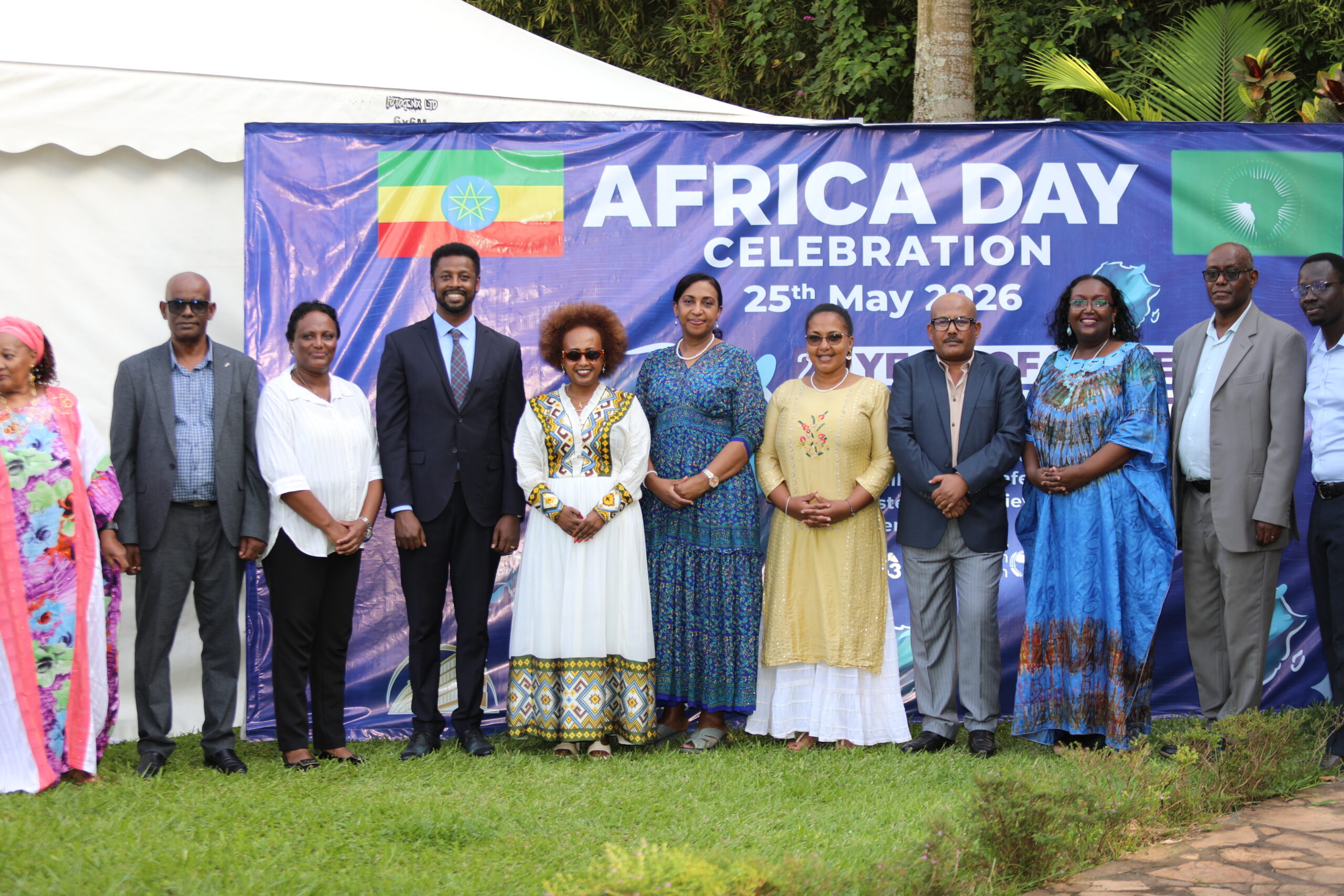
“As we celebrate Africa Day 2026, let us look to the future with the same determination that built the GERD. Let us protect our resources, unite our economies and realize the Africa we want,” she said.
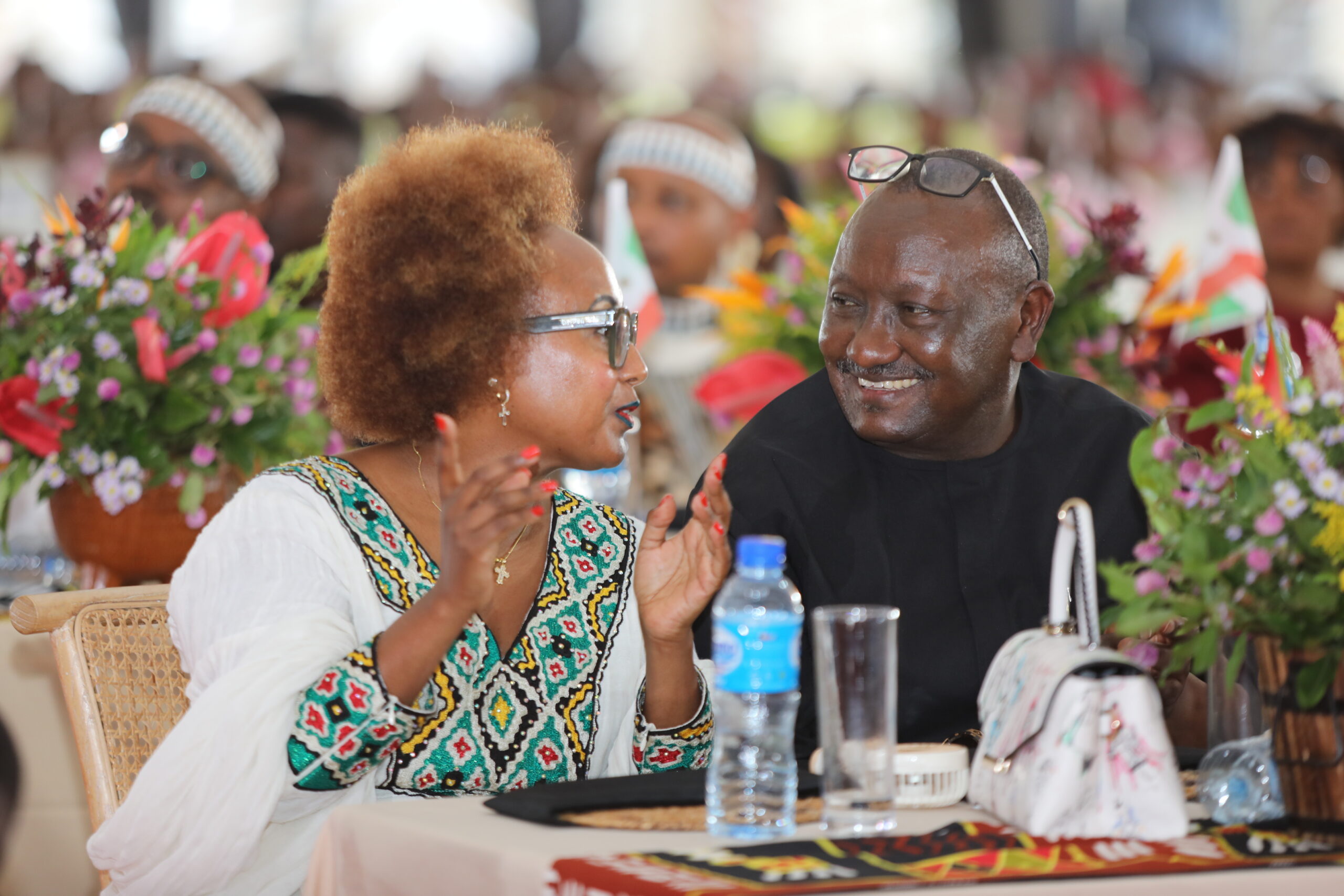
Earlier in the day, Ambassador Etsegenet joined guests at Africa Day celebrations held at Phaneroo Grounds. In the picture with her is Army spokesperson Major General Felix Kulayigye