News
Cuba’s Ambassador, Pan African Movement Mark Fidel Castro Centenary, Renew Call for Stronger Uganda-Cuba Ties

KAMPALA — Cuba’s Ambassador to Uganda, H.E. Juan Humberto Macías Pino, has called for stronger people-to-people relations between Cuba and Uganda, urging both countries to deepen mutual understanding and ensure the continuity of their longstanding friendship.
The Ambassador made the remarks in Kampala during commemorations marking the 100th anniversary of the birth of Cuban revolutionary leader Fidel Castro Ruz, where he highlighted Castro’s legacy of international solidarity, particularly Cuba’s historic support for Africa.
Macías Pino said the centenary was not only an opportunity to remember Fidel Castro’s life and work but also to reflect on contemporary global challenges and explore ways of strengthening relations between the peoples of Cuba, Uganda and Africa.

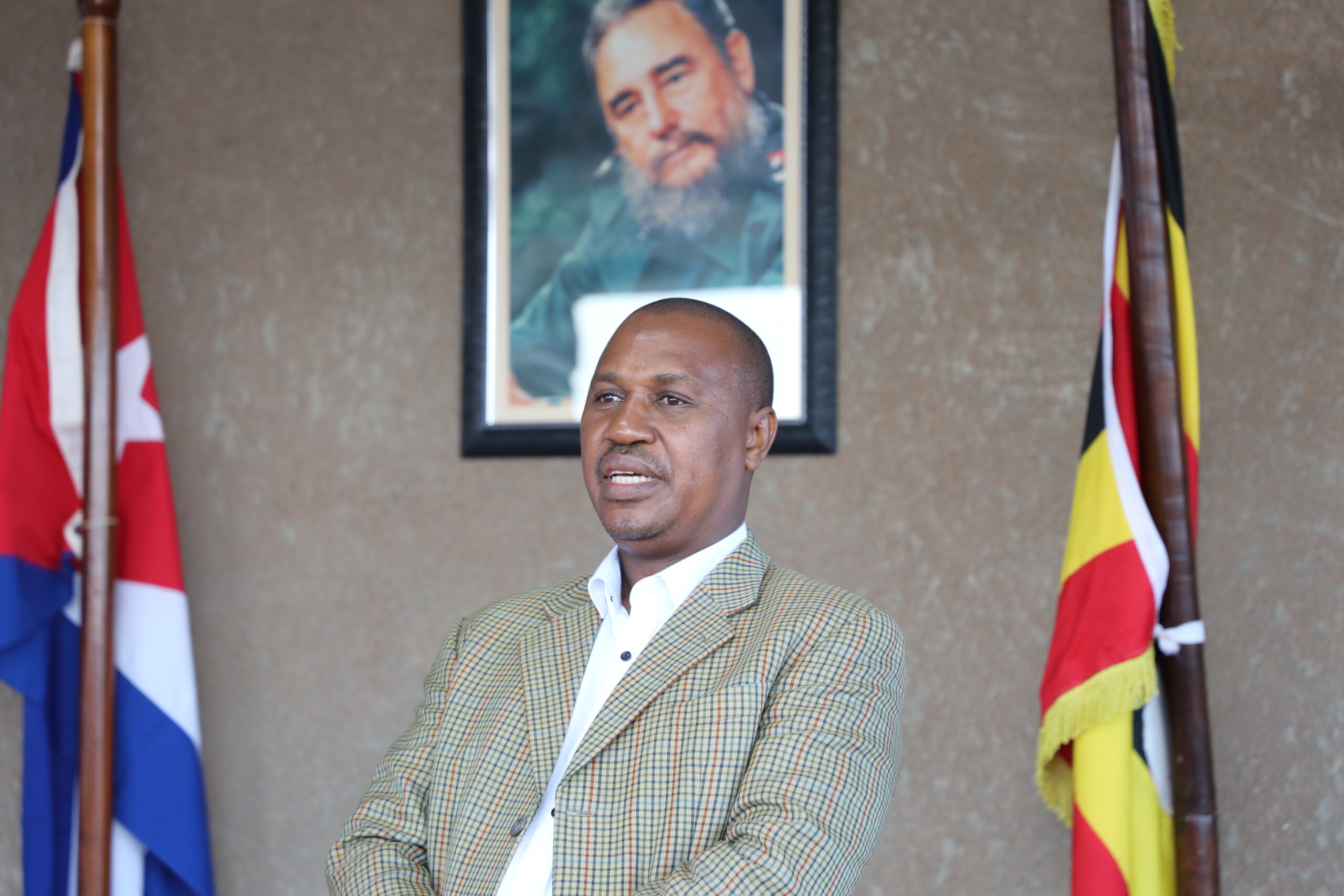
Mr Daniel Rugarama, Chairman of the Pan-African Movement’s Uganda National Chapter and Chairman of the Uganda-Cuba Solidarity Movement
“Today’s celebration is an important motivation to think how much we could do to strengthen our relations people to people, how much we could do to increase knowledge and information about each other and, most importantly, ensure the continuity of the friendship,” the Ambassador said.
He described international solidarity as one of the fundamental pillars of the Cuban Revolution, saying Fidel Castro’s leadership contributed not only to transforming the lives of Cubans but also to the freedom, development and wellbeing of people across the world.
Cuba’s African solidarity
Macías Pino placed particular emphasis on Cuba’s historic relationship with Africa, describing support for the continent as part of Cuba’s historical responsibility.
He pointed to the arrival of the first Cuban medical brigade in Algeria in 1963 as one of the most significant chapters of Cuban international solidarity.
According to the Ambassador, more than 100,000 Cuban doctors have served in more than 150 countries, saving millions of lives, restoring sight to millions of people, helping reduce infant mortality and responding to epidemics. He added that more than 10,000 young Africans have graduated with medical degrees in Cuba through scholarship programmes.


He also highlighted Cuba’s support for African liberation movements during the second half of the 20th century, arguing that Cuban assistance played a decisive role in helping several African countries achieve or preserve their independence.
The Ambassador said the historical links between Cuba and Uganda were rooted in shared struggles for freedom, common cultural bonds and aspirations to improve society.
He reaffirmed that Cuba considers its relations with Africa, and Uganda in particular, to be enduring.
“The special relations between Cuba and Africa are indestructible,” Macías Pino said, while also expressing gratitude for Uganda’s support for Cuba in its opposition to the US economic blockade.
Cuba condemns US blockade
The Ambassador used the occasion to condemn the US economic blockade against Cuba, saying it had severely affected the country’s economic situation.
He said Cuba was experiencing an economic crisis of “enormous magnitude” while also facing what he described as threats of military aggression.
Macías Pino called on supporters of Cuba to speak out against what he characterised as attacks on the Cuban people, arguing that silence would amount to acceptance.
He nevertheless said Cuba remained committed to Fidel Castro’s internationalist and solidarity-based legacy and would continue working to strengthen relations between Africa and Cuba and, specifically, between Uganda and Cuba.
Pan-African Movement backs Cuba
The Ambassador’s remarks were echoed by Daniel Rugarama, Chairman of the Pan-African Movement’s Uganda National Chapter and Chairman of the Uganda-Cuba Solidarity Movement.
Rugarama described Fidel Castro as a major figure in Africa’s liberation history, saying Cuba had supported African struggles without seeking material or strategic concessions in return.
He cited Cuban involvement in liberation struggles in countries including Congo, Guinea-Bissau, Mozambique and Angola, as well as Cuba’s role in the decisive Battle of Cuito Cuanavale in Angola.

According to Rugarama, the victory at Cuito Cuanavale helped undermine apartheid South Africa’s military dominance, contributed to Namibia’s independence and accelerated the dismantling of apartheid in Southern Africa.
Rugarama also praised Cuba’s contribution through doctors, teachers and technical experts deployed across Africa, saying the continent owed Cuba a lasting debt of gratitude.
However, he used the centenary commemorations to call for an end to the US economic, commercial and financial blockade against Cuba and urged the removal of Cuba from the US list of state sponsors of terrorism.
He also called for respect for Cuba’s sovereignty, territorial integrity and right to self-determination.
The Uganda-Cuba Solidarity Movement said it would use the centenary activities to undertake public awareness campaigns, media outreach and parliamentary engagements aimed at strengthening solidarity with Cuba.
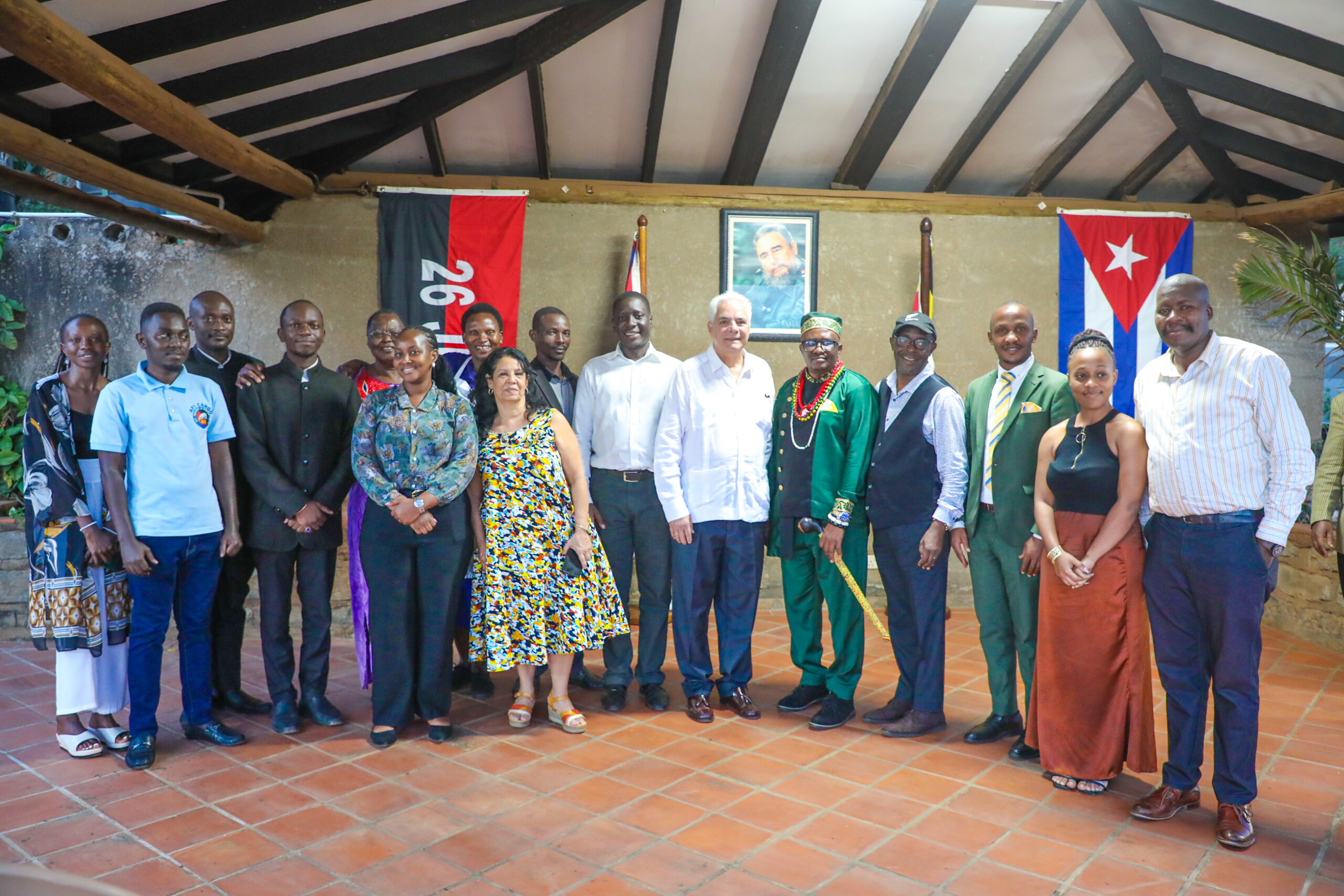
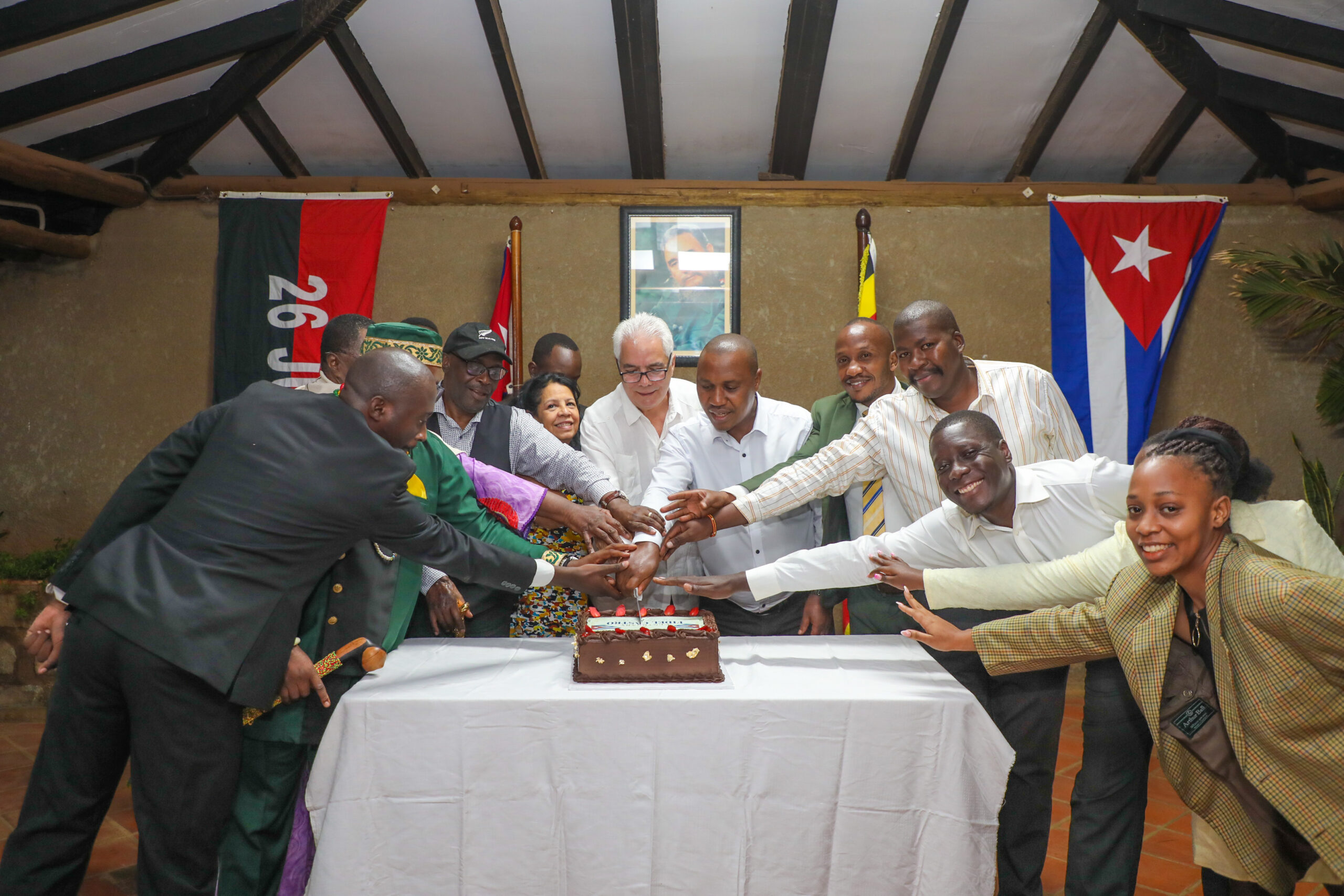
The Kampala commemorations brought together members of the diplomatic corps, Pan-African activists, former students who studied in Cuba, civil society representatives, youth movements and other friends of Cuba.
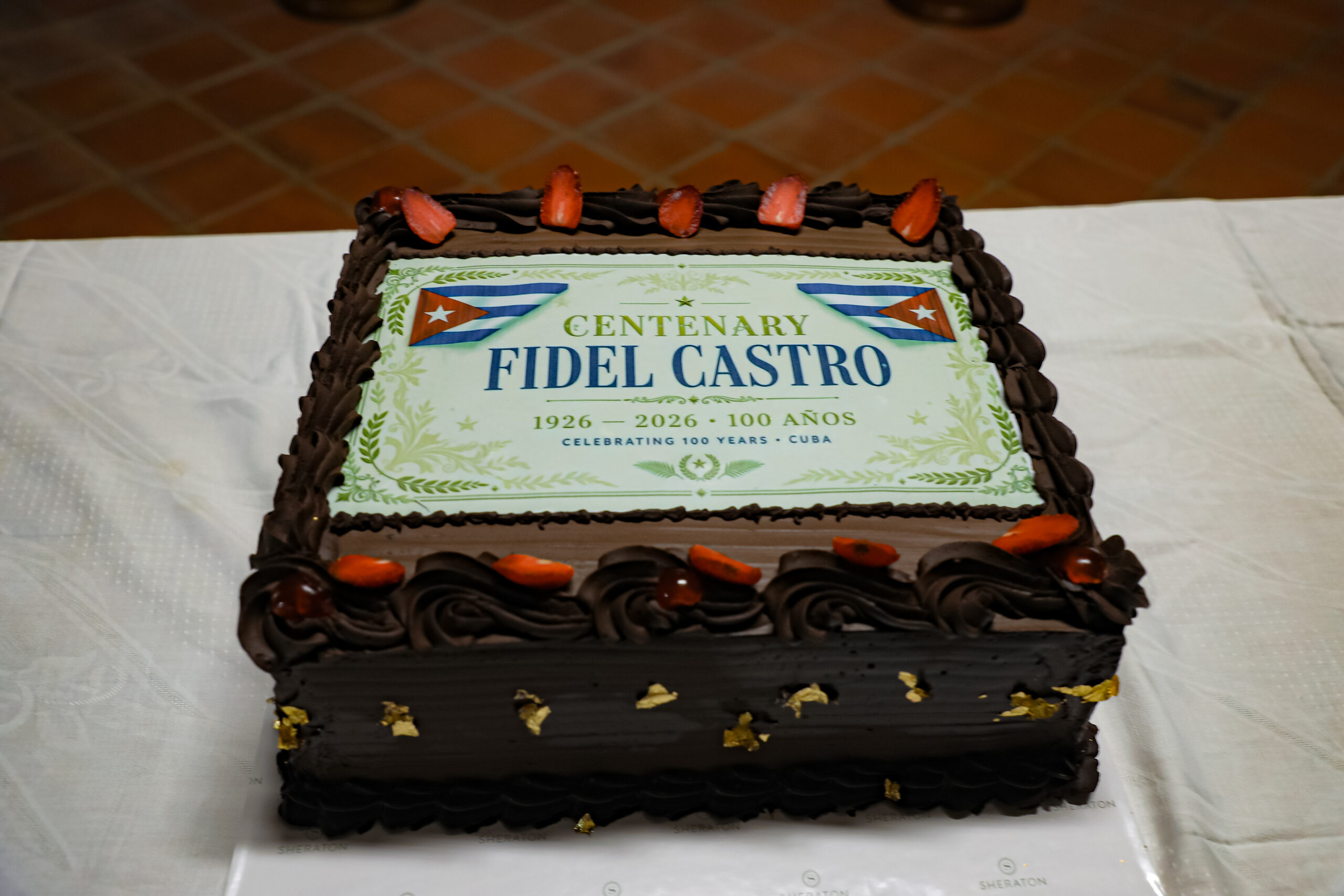
For Uganda and Cuba, the event served both as a tribute to Fidel Castro and as a renewed call to preserve and deepen the historic bonds between the two countries and between Cuba and Africa.