
Uganda Moves to Become East Africa’s Halal Certification Hub
August 23, 2026

Uganda is stepping up efforts to establish a globally recognised national Halal certification ecosystem as the country seeks to position itself as a leading Halal hub for East Africa and the wider African market.
The initiative, spearheaded by Uganda National Bureau of Standards (UNBS) Executive Director Eng. James N. Kasigwa, is aimed at turning Halal certification from a compliance requirement into a tool for trade, industrialisation, investment and enterprise development.
As part of the drive, UNBS has invited officials from Malaysia’s Halal Development Corporation (HDC), a federal government agency under the Ministry of Investment, Trade and Industry, to assess Uganda’s existing Halal ecosystem, infrastructure and regulatory framework.
Halal certification is an official process that confirms that a product, service, or business operation complies with Islamic (Sharia) requirements and is therefore permissible, or halal, for Muslims to use or consume.
The Malaysian team’s visit was facilitated with support from Uganda’s Ambassador to Malaysia, H.E. Dr. Betty Oyella Bigombe, and Uganda’s Ambassador to Sudan and Presidential Advisor on Halal Exports, H.E. Dr. Rashid Yahya Ssemuddu.
Eng. Kasigwa led the HDC delegation in engagements with senior government and diplomatic leaders, including Minister of Trade, Industry and Cooperatives Hon. Sanjay Tanna; State Minister for Trade Hon. Gen. Wilson Mbasu Mbadi; Presidential Envoy Rt. Hon. Amama Mbabazi; and Dr. Ssemuddu.
The engagements focused on building a coordinated national approach that brings together standards, certification, accreditation, laboratory testing, industry and government institutions.
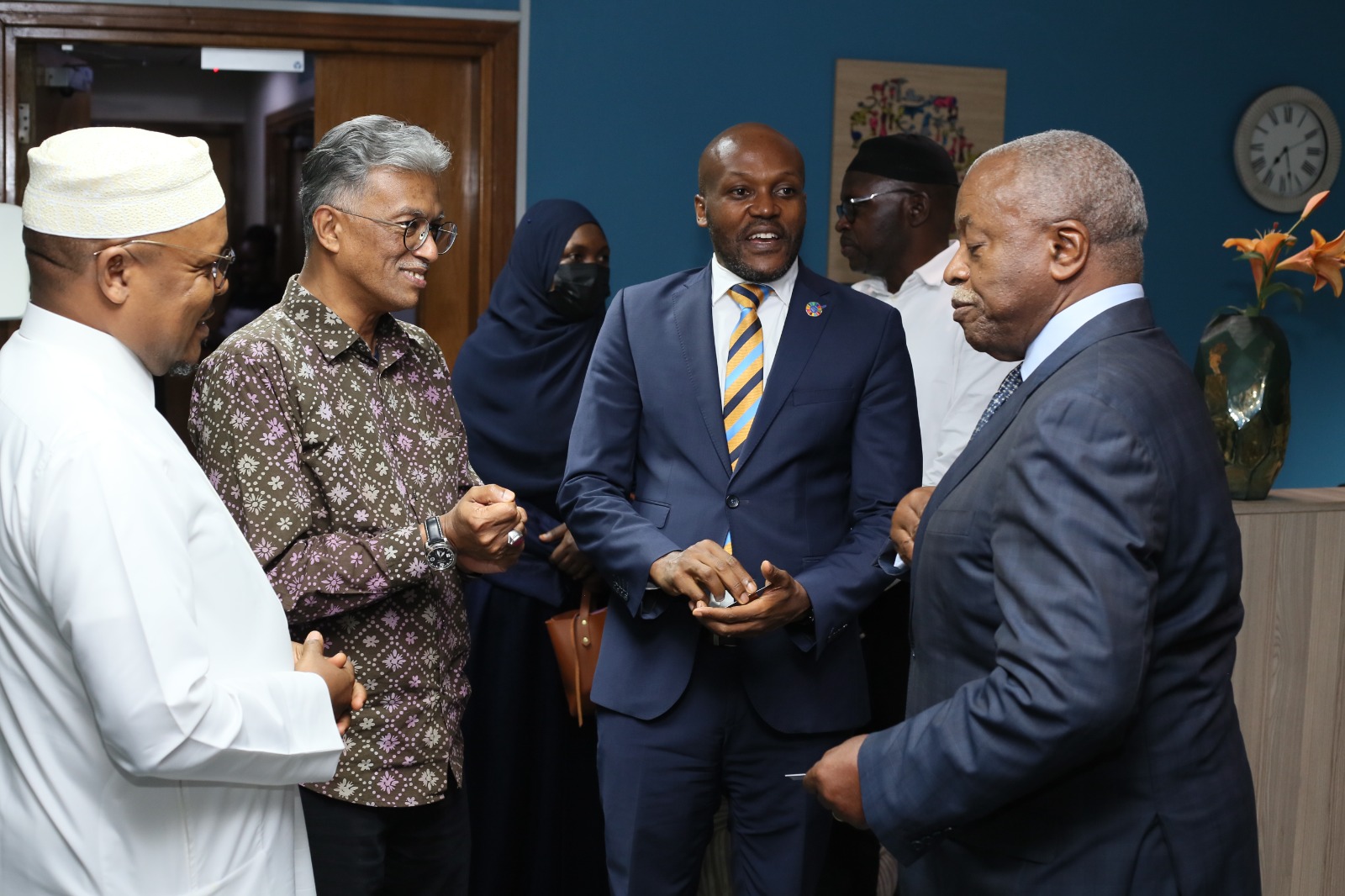
The HDC delegation also participated in a National Halal Assessment briefing involving key stakeholders, including the Ministry of Trade, Industry and Cooperatives, Uganda Free Zones and Export Promotions Authority, Uganda Halal Bureau, Islamic University in Uganda, Uganda Muslim Supreme Council, Halal Assurance Institute of Uganda, Uganda National Accreditation Services, Ministry of Agriculture, Animal Industry and Fisheries and Global Consumer Center.
For UNBS, the initiative forms part of a broader strategic shift towards using standards as instruments for economic transformation and enterprise development.
“Standards are tools for trade. Through needs-based standardization, we are looking at leveraging standards to grow value chains around the natural resources we have,” Eng. Kasigwa said.
According to UNBS, the global Halal economy is currently valued at approximately US$7.3 trillion and is projected to surpass US$10 trillion by 2030.
Uganda believes its agricultural and livestock production base, combined with its strategic position in East Africa, gives it an opportunity to capture a greater share of this expanding market.
The country is also a founding member of the Organisation of Islamic Cooperation (OIC) and is the only OIC member state in the East African Community, providing it with strategic access to markets with significant Muslim populations.
Uganda is further participating in the Standards and Metrology Institute for Islamic Countries (SMIIC), which brings together 57 member countries and provides a platform for the development and harmonisation of standards relevant to Islamic markets.
Government backs national Halal system
The initiative has received backing from the Ministry of Trade, Industry and Cooperatives, with Minister Hon. Sanjay Tanna calling for action to close the gaps identified during the assessment and establish a credible National Halal Certification System.
Tanna identified people, infrastructure, resources, branding, incentives and governance as key elements required to strengthen Uganda’s Halal ecosystem.
He also called for the adoption and domestication of internationally recognised Halal protocols.
State Minister for Trade Hon. Gen. Wilson Mbasu Mbadi said Uganda must focus not only on accessing international markets but also on maintaining a sustained presence in them.
“Accessing a market is one thing; sustaining it is another,” Mbadi said.
He called for a review of Uganda’s legal framework to identify and address gaps relating to Halal production and certification.
Mbabazi calls for long-term investment
Presidential Envoy Rt. Hon. Amama Mbabazi described the initiative as timely, particularly as Uganda seeks to accelerate economic transformation.
“Halal is not only a Sharia-based religious concept; it is also a business and trade opportunity, and we cannot afford to be left out,” Mbabazi said.
He noted that Uganda has significant potential in agriculture and livestock but needs to develop the skills, systems and infrastructure required to convert that potential into internationally competitive products.
Mbabazi and Dr. Ssemuddu are among the pioneers of efforts to establish a national Halal ecosystem in Uganda, having championed the initiative for more than 15 years.
They also played a role in facilitating a tripartite agreement on Halal development involving UNBS, the Uganda Muslim Supreme Council, the Islamic University in Uganda and the Uganda Halal Bureau.
Uganda builds on existing certification structures
Uganda currently has three Halal certification bodies: the Uganda Muslim Supreme Council, which is mainly involved in slaughter certification; the Uganda Halal Bureau; and the Halal Assurance Institute Uganda.
Dr. Ssemuddu said the Uganda Muslim Supreme Council laid the foundation for Halal certification in the slaughter sector before UNBS established the standards-based Halal Technical Committee, UNBS/TC 411, on Halal Integrity.
The committee brings together the Uganda Muslim Supreme Council, Uganda Halal Bureau, Islamic University in Uganda, UNBS, Ministry of Foreign Affairs and other stakeholders.
Uganda has so far developed 17 Halal standards covering areas including food, pharmaceuticals and cosmetics.
“Halal represents faith, quality, health, safety and responsibility. It is also a value proposition,” Dr. Ssemuddu said.
He said Uganda has the potential to meet requirements in the Gulf Cooperation Council and Middle East and North Africa markets, among others, and should pursue the ambition of becoming a leading Halal export hub for East and Central Africa.
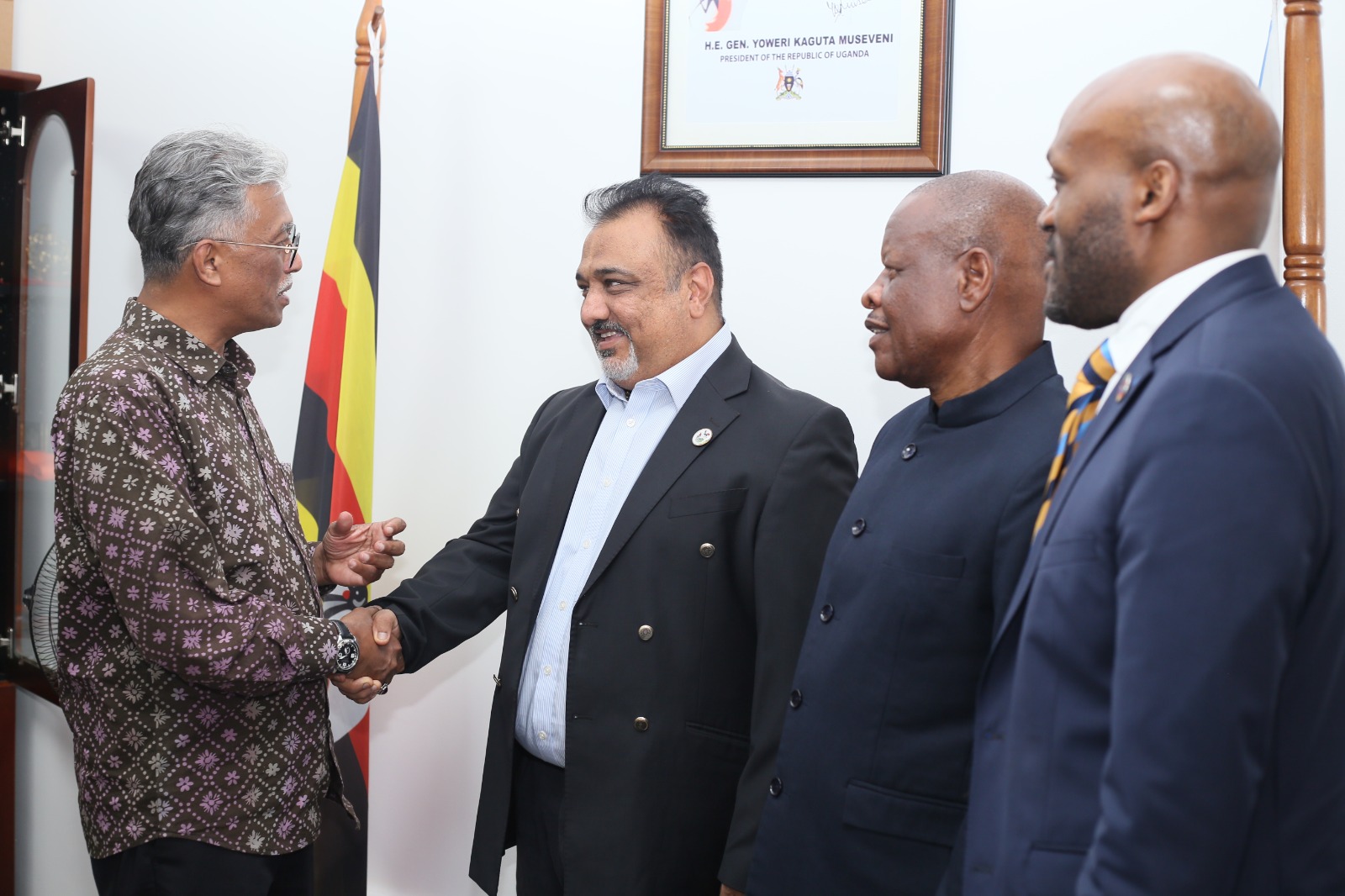
He also called for greater integration of food and non-food sectors within Uganda’s Halal strategy and a stronger legal and policy framework.
Malaysia offers five decades of experience
Malaysia is bringing more than five decades of experience in developing a globally recognised Halal ecosystem to Uganda.
HDC Chief Commercial Officer Mohd Zamulud Awang Kechik said Uganda already possesses much of the productive base required to participate in the global Halal economy, particularly in agriculture and livestock.
However, he said Uganda needs stronger systems capable of transforming that production into internationally recognised Halal products.
Following its technical assessment, the Malaysian team identified human capacity development, public and business awareness, quality infrastructure and government incentives among the key areas requiring attention.
The assessment is expected to inform Uganda’s efforts to establish a stronger and internationally credible Halal certification framework.
UNBS says the initiative is aligned with its National Standardization Strategy to 2030, which seeks to develop standards around Uganda’s natural resources and priority value chains to promote exports, import substitution and industrialisation under the country’s National Development Plan IV.
For Uganda, the emerging Halal strategy represents an opportunity to link standards and certification directly to production, value addition and access to high-value international markets, while supporting the country’s ambition of growing its economy to US$500 billion.


UG Diplomat is an independent digital news and media platform dedicated to comprehensive coverage of national politics, regional diplomacy, international relations, geopolitics, defense, and business. Published under Currentarc Media Ltd, we provide authoritative analysis, breaking news, and in-depth reporting on the diplomatic and economic developments shaping East Africa and the global arena.
COMPANY
Contact Us
Privacy Policy
Terms and Conditions
CONTACT INFORMATION
info@ugdiplomat.com
+256774552385
Copyright © 2026 UG Diplomat -Product of CURRENTARC MEDIA