News
Museveni Backs HUVET Bio-Science Park for Vaccine Production in Uganda

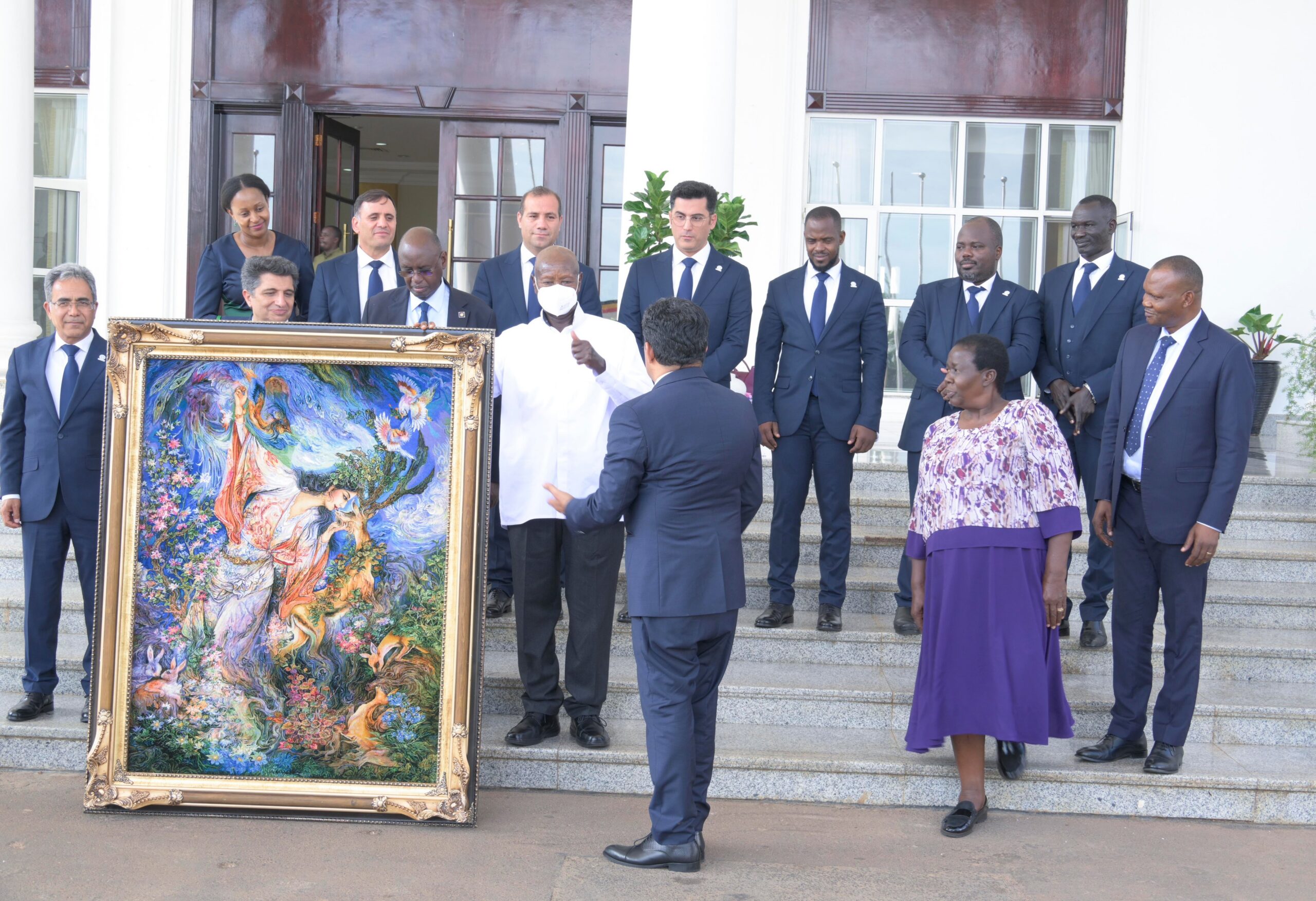
KAMPALA — President Yoweri Museveni has welcomed the establishment of the HUVET Bio-Science Park, describing the project as an important investment in Uganda’s push to develop local biotechnology, manufacture vaccines and reduce dependence on imported biological products.
The initiative, led by Eng. Hashem Azimi, is expected to support research and production in veterinary biotechnology, vaccine development and other areas of scientific innovation.
Museveni said the project aligns with Uganda’s broader ambition to build domestic scientific and industrial capacity capable of meeting the country’s health, agricultural and technological needs.
“I welcomed the establishment of the HUVET Bio-Science Park, led by Eng. Hashem Azimi,” Museveni said.
“This initiative will play an important role in advancing Uganda’s journey towards local vaccine production, veterinary biotechnology, and scientific innovation, while reducing our dependence on imported vaccines and other biological products.”
The President said Uganda must move away from relying heavily on foreign manufacturers for essential products that can be developed domestically through investment in science, research, technology transfer and industrial production.
“Uganda must build the capacity to produce what we need,” Museveni said.
He described vaccine sovereignty and Uganda’s ambition to become a regional biotechnology leader as matters of strategic national interest.

“Vaccine sovereignty and our ambition to become a regional leader in biotechnology are important for our strategic interests. I welcome this investment, and the Government will support this initiative,” he added.
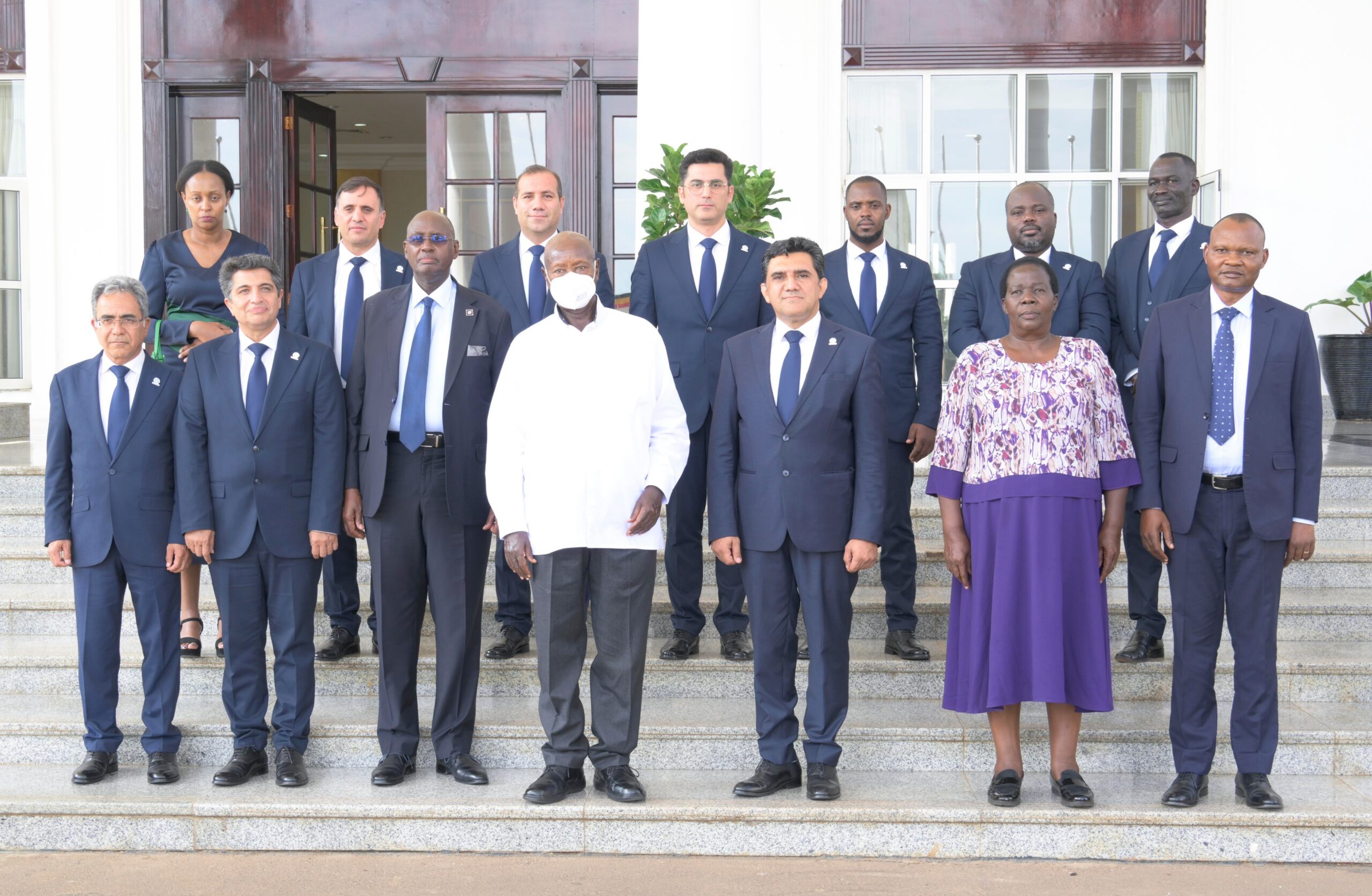
The President said Uganda must move away from relying heavily on foreign manufacturers for essential products
The proposed Bio-Science Park could become an important component of Uganda’s emerging biotechnology ecosystem, particularly through the development of veterinary vaccines and biological products required by the livestock industry.
Local production could help Uganda improve the availability of animal vaccines, strengthen disease surveillance and reduce delays caused by international supply-chain disruptions.
A stronger veterinary biotechnology industry would also support Uganda’s agricultural transformation agenda by protecting livestock, improving productivity and strengthening the competitiveness of meat, milk and other animal products in domestic and export markets.
Beyond manufacturing, the project is expected to contribute to scientific research, skills development and the creation of specialised employment opportunities for Ugandan laboratory scientists, veterinary professionals, engineers, researchers and biotechnology graduates.
Museveni’s endorsement comes amid growing calls across Africa for governments to invest in domestic vaccine research and production following the supply inequalities exposed by the COVID-19 pandemic and subsequent disease emergencies.
Africa continues to import the overwhelming majority of the vaccines it consumes, leaving countries vulnerable to global supply shortages, competition for limited doses and decisions taken by manufacturers outside the continent. A 2026 review of Africa’s vaccine ecosystem estimated that the continent remained dependent on imports for more than 99 per cent of its vaccine supply.
The experience has strengthened efforts by African governments and regional institutions to establish manufacturing centres, improve regulatory systems, train specialised personnel and secure technology transfers from established pharmaceutical producers.
However, experts argue that physical production facilities alone will not guarantee vaccine sovereignty. Countries must also invest in scientific research, reliable electricity and water systems, quality-control laboratories, regulatory institutions, skilled personnel and guaranteed markets for locally manufactured products.
For Uganda, the HUVET project could therefore provide a platform for connecting research, commercial production, veterinary health and industrial innovation.
It could also strengthen Uganda’s position within the East African Community, where countries face common livestock and public-health threats but continue to import many of the vaccines and biological products required to respond to them.
Museveni has consistently promoted import substitution, value addition and domestic manufacturing as central pillars of Uganda’s economic transformation.
Government support for the HUVET Bio-Science Park is likely to include facilitating the investment, strengthening cooperation with scientific and regulatory institutions and creating an enabling environment for research and commercial production.
The project’s long-term impact will depend on the scale of investment, the technologies deployed, regulatory approval, access to qualified personnel and its ability to move scientific products from research laboratories into large-scale production.
Should it become fully operational, the Bio-Science Park could help Uganda transition from being primarily a consumer of imported biotechnology products to becoming a producer serving both the domestic and wider regional market.