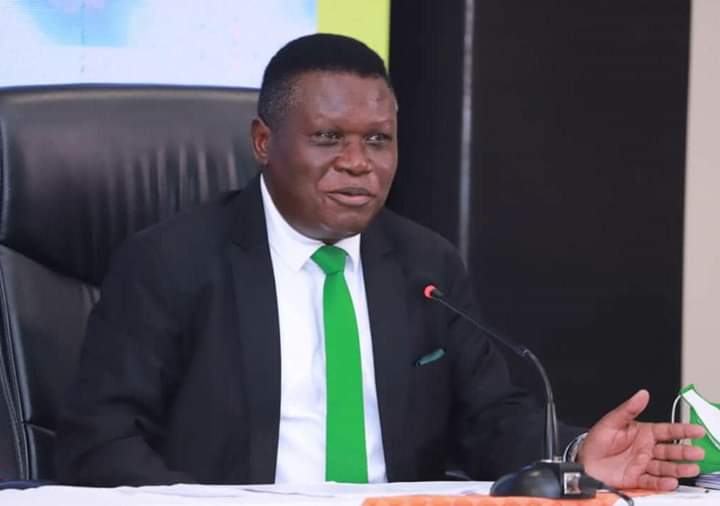
The Minister of Justice and Constitutional Affairs, Norbert Mao, has formally written to the Clerk to Parliament proposing that the induction of Members of the 12th Parliament be held after the election of the Speaker and Deputy Speaker, warning that the current sequencing risks politicising the orientation process.
In a letter dated April 27, 2026, addressed to the Clerk of Parliament of Uganda, Mao argues that while induction is essential for equipping legislators with knowledge on lawmaking, ethics, and parliamentary procedure, it should not be overshadowed by the politics surrounding the election of parliamentary leadership.
According to Mao, nearly two-thirds of the incoming MPs are new, making it critical that the induction remains focused and free from distractions. He cautions that holding the orientation before leadership elections could undermine its effectiveness, as members may be preoccupied with the contest for Speaker.
“To take the members through an induction before the leadership of Parliament has been determined is akin to taking a sports team to a training camp before determining who will captain the team,” Mao wrote.
Mao also raised concerns about alleged bias in the planned induction program, claiming that the outgoing Speaker had influenced the selection of presenters.
Without naming her directly in the letter, his remarks appear to point to Anita Among, who is seeking to retain the position. Mao alleges that individuals aligned with the outgoing Speaker have been lined up as key presenters, raising fears that the platform could be used to promote her candidacy rather than deliver neutral, professional training.
He further referenced previous experiences at the Kyankwanzi retreat, where he said critics of the Speaker were sidelined from making presentations, suggesting a pattern of controlling narratives within parliamentary engagements.
In a broader reform proposal, Mao called for the revival of an independent Institute of Parliamentary Studies to oversee capacity building for legislators. He noted that an earlier initiative—intended to be named after former Speaker Rebecca Kadaga—was abandoned due to political disagreements.
Mao described the decision to scrap the institute as shortsighted, arguing that an independent body would help eliminate bias and ensure professional, non-partisan training for MPs.
The minister emphasized that Parliament is only fully constituted after the election of its Speaker and Deputy Speaker, making it more appropriate for induction to follow that process.
He maintained that his proposal is aimed at safeguarding the integrity and effectiveness of the induction program, ensuring that it achieves its intended purpose without being entangled in leadership politics.
Mao concluded his letter by urging the Clerk to give the proposal favorable consideration, framing it as a good-faith effort to strengthen parliamentary processes ahead of the 12th Parliament’s full operationalization.
The development comes amid heightened political maneuvering within the ruling National Resistance Movement (NRM) and beyond, as contenders position themselves for the influential Speaker role.