
Teachers, Health Workers to Benefit as Uganda Passes Shs84.3T Budget
April 27, 2026
Uganda's Parliament has passed a Shs84.3 trillion national budget for the 2026/2027 financial year following the adoption of the Appropriation Bill and the report of the Budget Committee that details how the funds will be raised and spent amid growing fiscal pressure from debt and statutory obligations.
The budget was approved during the sitting of the House chaired by Speaker Anita Among on Friday, 24 April 2026.
Finance State Minister, Hon. Henry Musasizi told Parliament that the budget will be financed through domestic revenue of Shs44.18 trillion, representing more than half of the total budget.

Other sources include domestic borrowing of Shs11.97 trillion, external project support of Shs11.27 trillion, domestic refinancing of Shs13.97 trillion, petroleum revenues of Shs1.44 trillion, budget support grants of Shs1.22 trillion and local government revenues of Shs339 billion.
Of the approved expenditure, Shs47.16 trillion has been allocated as discretionary spending while Shs37.23 trillion is classified as statutory expenditure covering debt servicing, wages, pensions and other legally mandated obligations.
Presenting the Budget Committee report, the Deputy Chairperson, Hon. Remigio Achia noted that a significant share of the budget is absorbed before reaching service delivery sectors, largely due to debt obligations.
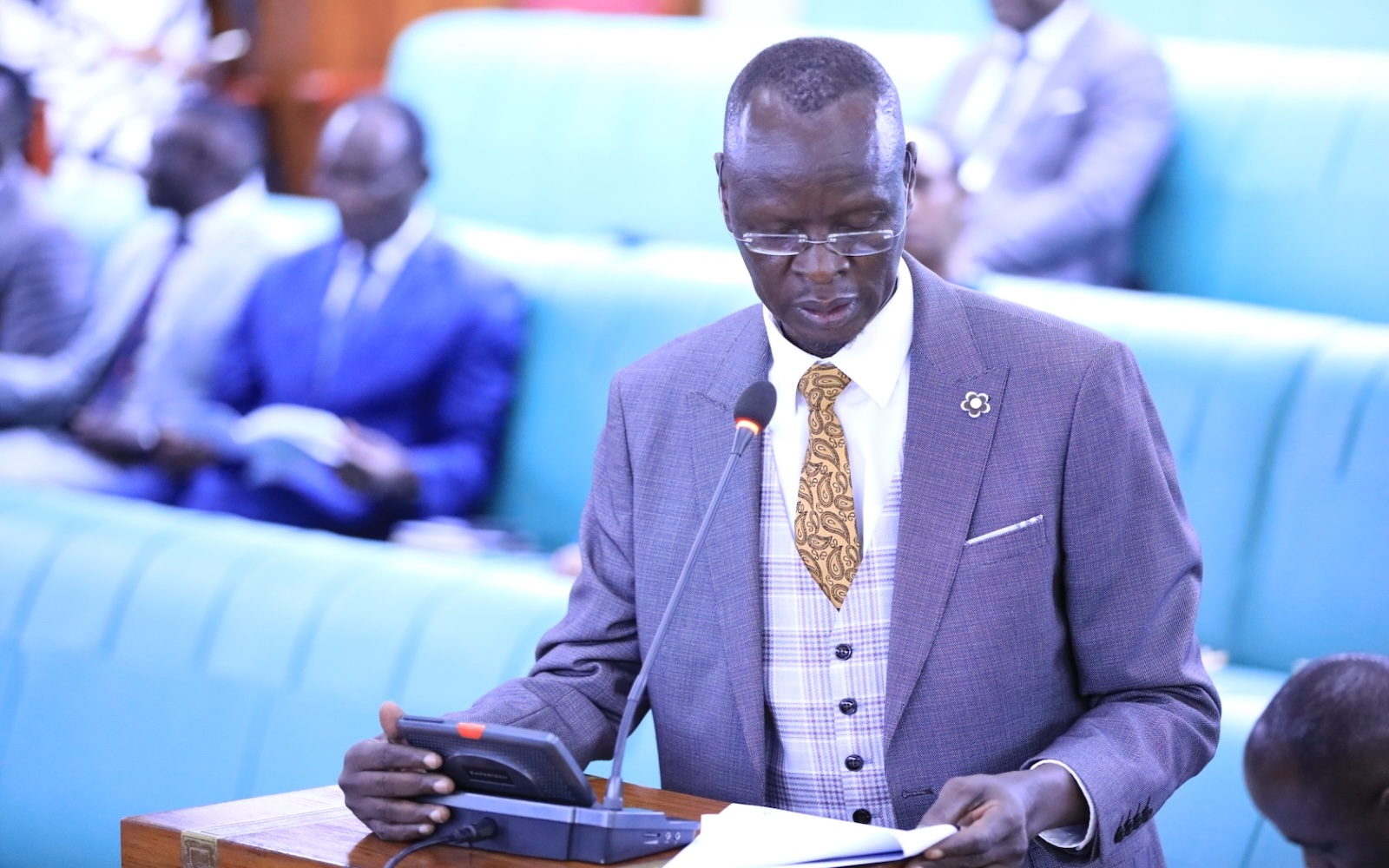
Debt servicing alone is projected to consume about Shs33.4 trillion nearly 40 per cent of the total budget.
Interest payments are estimated at Shs12.4 trillion driven mainly by domestic borrowing, while principal repayments push total debt servicing above Shs33 trillion, making it the single largest expenditure item.
Achia said the budget is anchored on boosting production, industrialisation, and household incomes across key sectors.
Agro-industrialisation has been allocated Shs2.2 trillion for agricultural research, inputs, irrigation, extension services, agro-processing and market access.
Tourism development receives Shs571.5 billion for infrastructure at tourism sites and global promotion.
Mineral-based industrial development including oil and gas is allocated Shs435.5 billion for mineral exploration, the national mining company, mineral markets, and ongoing petroleum infrastructure projects.
Science, technology and innovation including ICT and the creative industry, is allocated Shs1.1 trillion to support innovation, digitisation of government services, internet expansion and business process outsourcing.
Shs2.5 trillion has been allocated to wealth creation programmes under the Parish Development Model, Emyooga and youth initiatives, while the security sector receives Shs10.2 trillion to maintain peace and stability.
Human capital development takes the largest share at Shs13.5 trillion including a phased 25 per cent salary enhancement for teachers and Shs496.3 billion for preparations for AFCON 2027.
Infrastructure development is allocated Shs10.8 trillion for roads, railways, water, electricity and transport systems.
Manufacturing receives Shs1.04 trillion, while environmental protection is allocated Shs514 billion.
Other allocations include Shs651.5 billion for administration of justice and Shs1.2 trillion for legislation and oversight.
Additional funding has also been provided for priority gaps, including Shs664.3 billion for road completion works, Shs45 billion for rural electrification, Shs100 billion for medicines and health supplies, Shs20 billion for export promotion, Shs100 billion for cattle compensation in Northern Uganda, Shs20 billion for ambulances and Shs10 billion for maintenance.
In a minority report, Kira Municipality MP, Hon. Ssemujju Nganda strongly opposed the late changes, accusing government of undermining the Public Finance Management Act by introducing what he termed as last-minute “trafficking” of budget figures.
Ssemujju Nganda said the corrigenda, introduced just 48 hours before the deadline, increased the budget by Shs997 billion and reallocated Shs862 billion without supporting procurement or recruitment plans.
“This money is susceptible to abuse,” Ssemujju warned adding that the late movements were deliberately designed to shift funds into areas with easier access.
He argued that four expenditure items alone consume about 70 per cent of the budget; debt servicing at Shs33.6 trillion , wages and salaries at Shs14.1 trillion, administrative expenses at Shs8.2 trillion and classified expenditure at Shs2.6 trillion.
Ssemujju Nganda also questioned Uganda’s reparations to the Democratic Republic of Congo amounting to Shs260.4 billion.
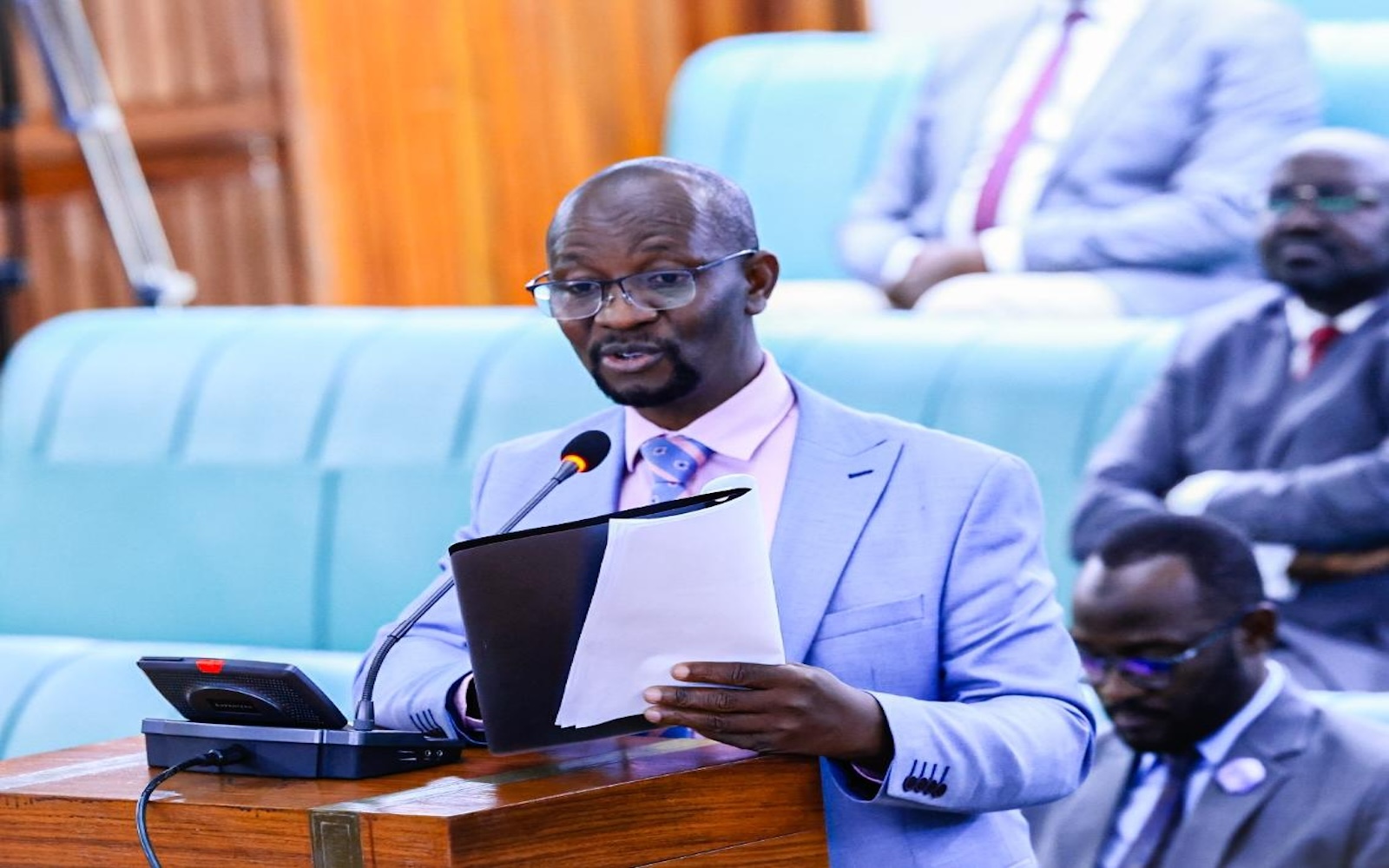
During debate, Hon. Asuman Basalirwa (JEEMA, Bugiri Municipality) called for support for sickle cell disease in the budget noting that the prevalence is high in Uganda and yet no support was provided in the budget.
Speaker Among asked government officials to desist from borrowing money and then doing a feasibility study later.
The Minister for Information, Communication and Technology and National Guidance, Hon. Chris Baryomunsi defended borrowing stating that everywhere in the world people borrow, and that Uganda is paying back and using it well.
Kassanda County North MP, Hon. Patrick Nsamba Oshabe proposed that several allocated funds could be rechannelled for example from Atiak Sugar works to health workers and education.
Hon. Edson Rugumayo, the Youth Representative Western Region said Ugandans are interested in deliverables and thereby indicating in the budgets which roads will be constructed and how it will impact them is crucial.
Buhanguzi East Representative, Hon. Stephen Aeera (expressed disappointment that Shs100 billion had been proposed for Bunyoro University but it was reduced to Shs87 billion later to Shs12.5 billion.
The Minister of State for Education (Sports), Hon. Peter Ogwang said government will work to ensure that the university is built based on the pledge made by the President.
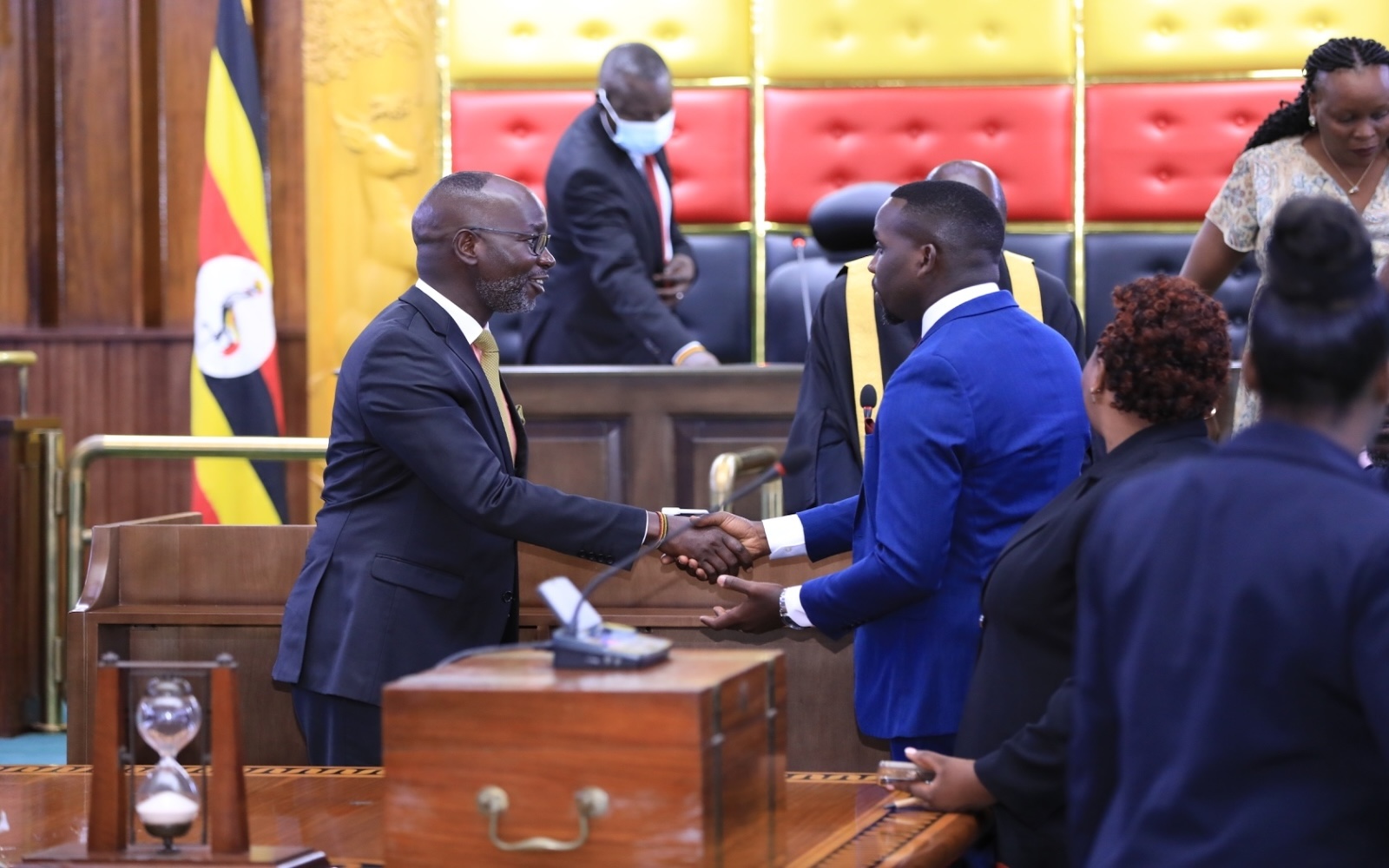
The Leader of the Opposition, Hon. Joel Ssenyonyi stated that government has been allocating funds for the International Specialised Hospital Lubowa and yet there is no progress.
“Why do you keep coming back for money here? We should stop playing around with money, because nearly Shs1 trillion has been spent,” he said.
The Minister of State for Primary Health Care, Hon. Margaret Muhanga said the hospital is at 75 per cent completion, but pledged to provide a comprehensive statement on the status of the hospital in less than two weeks.
Speaker Anita Among stated that government has decided not to pay money directly to ROKO Construction but to the supplier. She said ROKO’s work hard completely slowed.
UG Diplomat is an independent digital news and media platform dedicated to comprehensive coverage of national politics, regional diplomacy, international relations, geopolitics, defense, and business. Published under Currentarc Media Ltd, we provide authoritative analysis, breaking news, and in-depth reporting on the diplomatic and economic developments shaping East Africa and the global arena.
COMPANY
Contact Us
Privacy Policy
Terms and Conditions
CONTACT INFORMATION
info@ugdiplomat.com
+256774552385
Copyright © 2026 UG Diplomat -Product of CURRENTARC MEDIA