News
APPLY FROM HOME! U.S. Tightens Green Card Rules

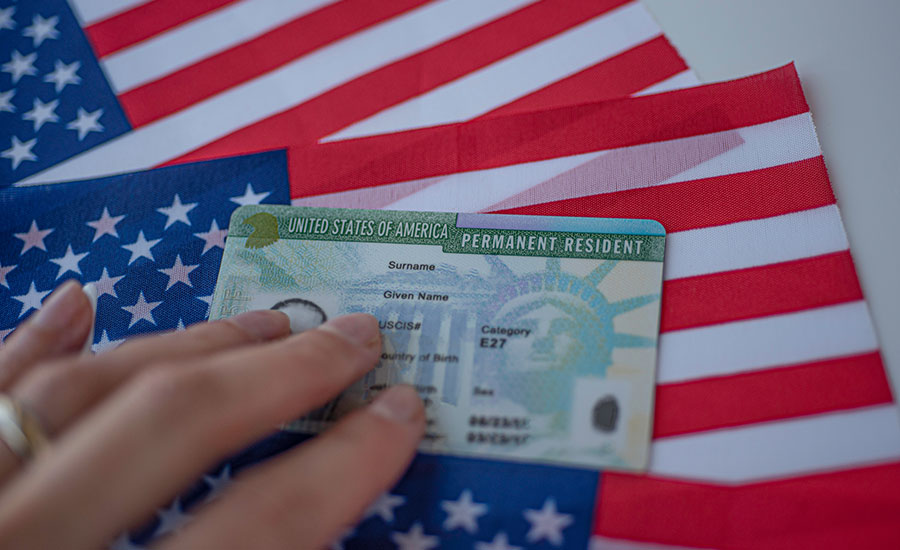
The administration of U.S. President Donald J. Trump has announced sweeping new immigration measures that could make it significantly harder for immigrants already living in the United States to obtain permanent residency, commonly known as a green card.
According to a policy memo released Friday, many immigrants seeking permanent residency will no longer be allowed to complete the process while remaining inside the U.S. Instead, they will be required to return to their home countries and apply for immigrant visas through American embassies or consulates abroad.
Current and former U.S. immigration officials told CBS News that the policy could have far-reaching consequences for international students, tourists, temporary visa holders, and individuals who entered the country legally but later overstayed their visas. Many of these groups have traditionally been able to adjust their immigration status from within the United States through sponsorship by U.S. citizen spouses or employers.
Immigration experts warn that forcing applicants to leave the U.S. could make it difficult, or in some cases impossible, for them to return.
Under existing U.S. immigration law, individuals who have overstayed visas and remained in the country unlawfully for extended periods can face automatic bans of up to 10 years from reentering the United States once they depart.
The new rules also come amid broader immigration restrictions already affecting several countries. Citizens from 39 countries, many of them in Africa and Asia, currently face travel bans or entry restrictions imposed under a proclamation signed by President Trump on national security grounds.
In addition, the Trump administration has separately paused the issuance of immigrant visas for applicants from 75 countries seeking permanent relocation to the United States, arguing that some could become economic burdens.
The latest measures mark another major step in the administration’s ongoing efforts to tighten both legal and illegal immigration pathways into the United States.

Supporters of the policy say it will strengthen immigration enforcement and improve national security, while critics argue it could separate families, disrupt businesses relying on immigrant labor, and severely limit legal immigration opportunities for thousands of people already living in the U.S.